US Justice Department Launches AI Defense Task Force as Political Battle Lines Form Over Super Intelligence
Reporting on November 07, 2026, federal authorities and global markets are responding to a dramatic shift in how artificial intelligence is governed, commercialized, and protected.
DOJ Targets AI Protection as Policy Debate Escalates
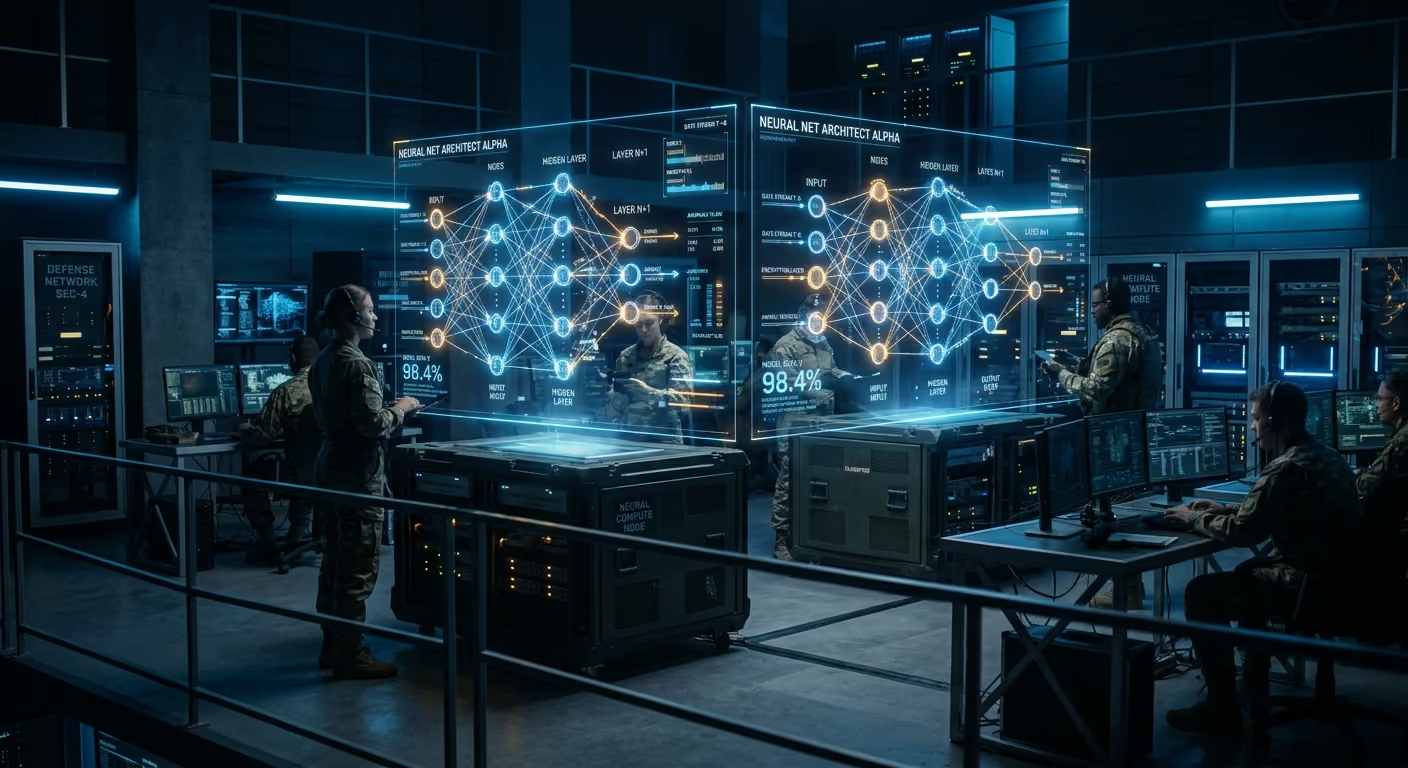
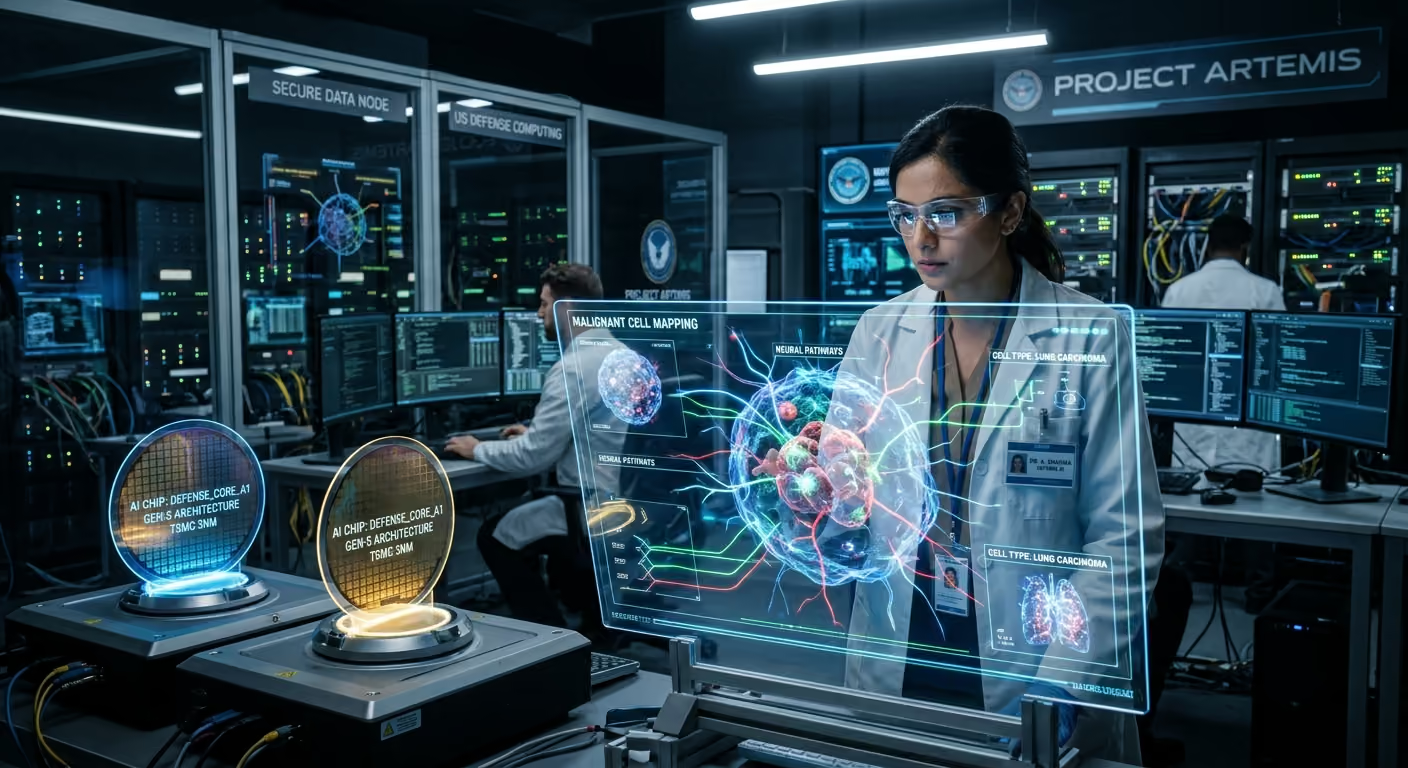
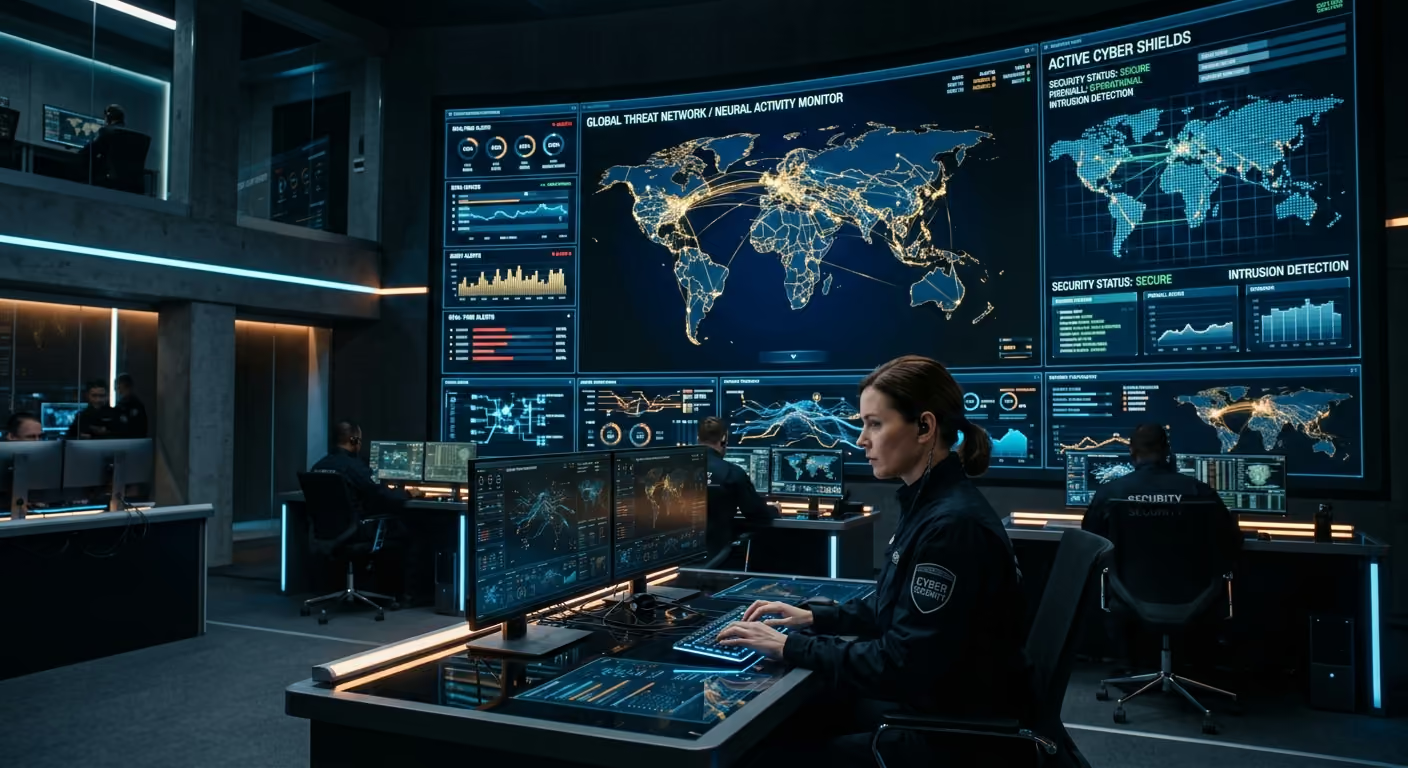
The United States Department of Justice has established a specialized task force designed to protect proprietary AI systems and critical infrastructure from national security threats and intellectual property theft. This protective initiative arrives alongside shifting political dynamics in Washington, where legislative leaders are preparing extensive regulatory packages aimed at algorithmic accountability.
Concurrently, public debate surrounding artificial intelligence has reached the highest political offices. Former President Donald Trump recently expressed full support for the development of AI super intelligence, highlighting a stark ideological divide over how aggressively the nation should pursue advanced machine cognitive capabilities.
Market Volatility and Sector Realities
Despite enthusiasm for next-generation systems, financial markets experienced sharp movements this week. Wall Street sell-offs led to global stock pullbacks as investors reassessed rich valuations across tech funds. However, long-term data from major funds indicates that specialized portfolios in artificial intelligence, technology, and life sciences continue to outpace broad market benchmarks.
Commercial adoption continues across niche domains. Defense and security firm Artificial Intelligence Technology Solutions (AITX) announced its fourth order for the ROAMEO autonomous security robot, demonstrating steady enterprise uptake. Meanwhile, municipal bodies like the Los Angeles City Council are moving to regulate automated rent-setting algorithms, signaling an era of localized algorithmic enforcement.
Rethinking Foundations in Science and Law
Beyond politics and markets, artificial intelligence is reshaping fundamental fields. Computer scientists report that recent developments in neural model capabilities are challenging classic computer science paradigms regarding software construction and execution.
In the legal arena, courts are grappling with questions of liability when autonomous tools make critical errors. Simultaneously, aerospace researchers are exploring how next-generation AI models can design and map out future off-world outposts in deep space.
The Bottom Line
TL;DR Summary
- Federal Defense Task Force: The DOJ created a dedicated unit to protect key domestic AI technologies and intellectual property.
- Political Alignment: Debate intensifies as political leaders align around super intelligence development while opposition lawmakers prepare regulatory oversight bills.
- Market Signals: AI-focused investment funds maintain long-term outperformance despite short-term market corrections sparked by valuation concerns.
- Domain Adaptation: Enterprise use cases expand from municipal housing algorithm regulations to autonomous security deployment and deep space logistics planning.
Stay Connected for Daily AI Intelligence
Follow us to get the latest breaking artificial intelligence reports and threat analysis delivered daily.
Aibots Sdn Bhd | [Beyond Future]