THE DUAL HELIX OF
INTELLIGENCE
Mapping the co-dependent evolution of algorithmic logic models and physical computing substrates.
1900
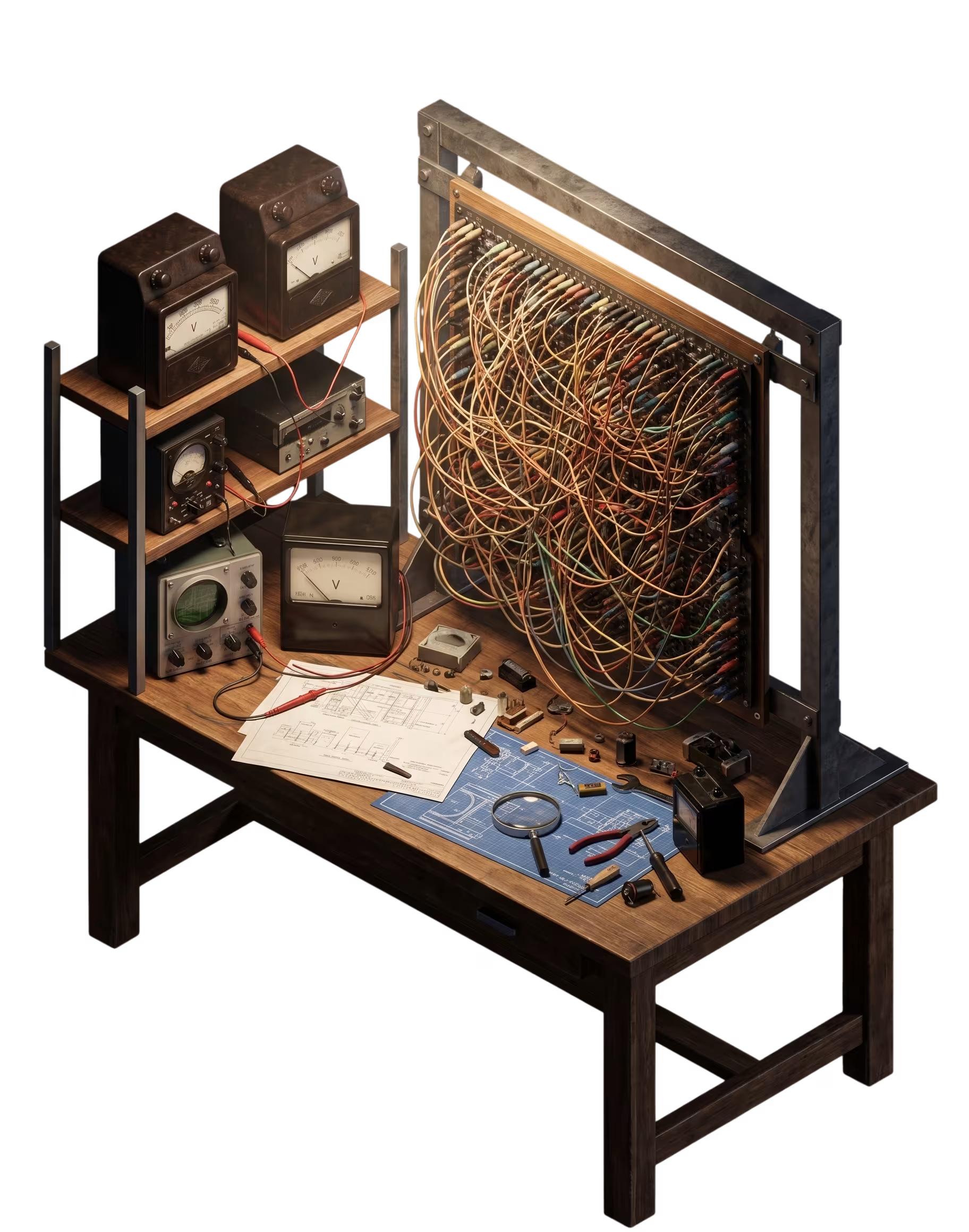
Frank Rosenblatt introduces the Perceptron, proving mathematically that human neural structures can be mapped onto machine circuits. The grand dream of automating human cognitive labor is born, though it arrives decades ahead of the actual physical infrastructure required to build it.
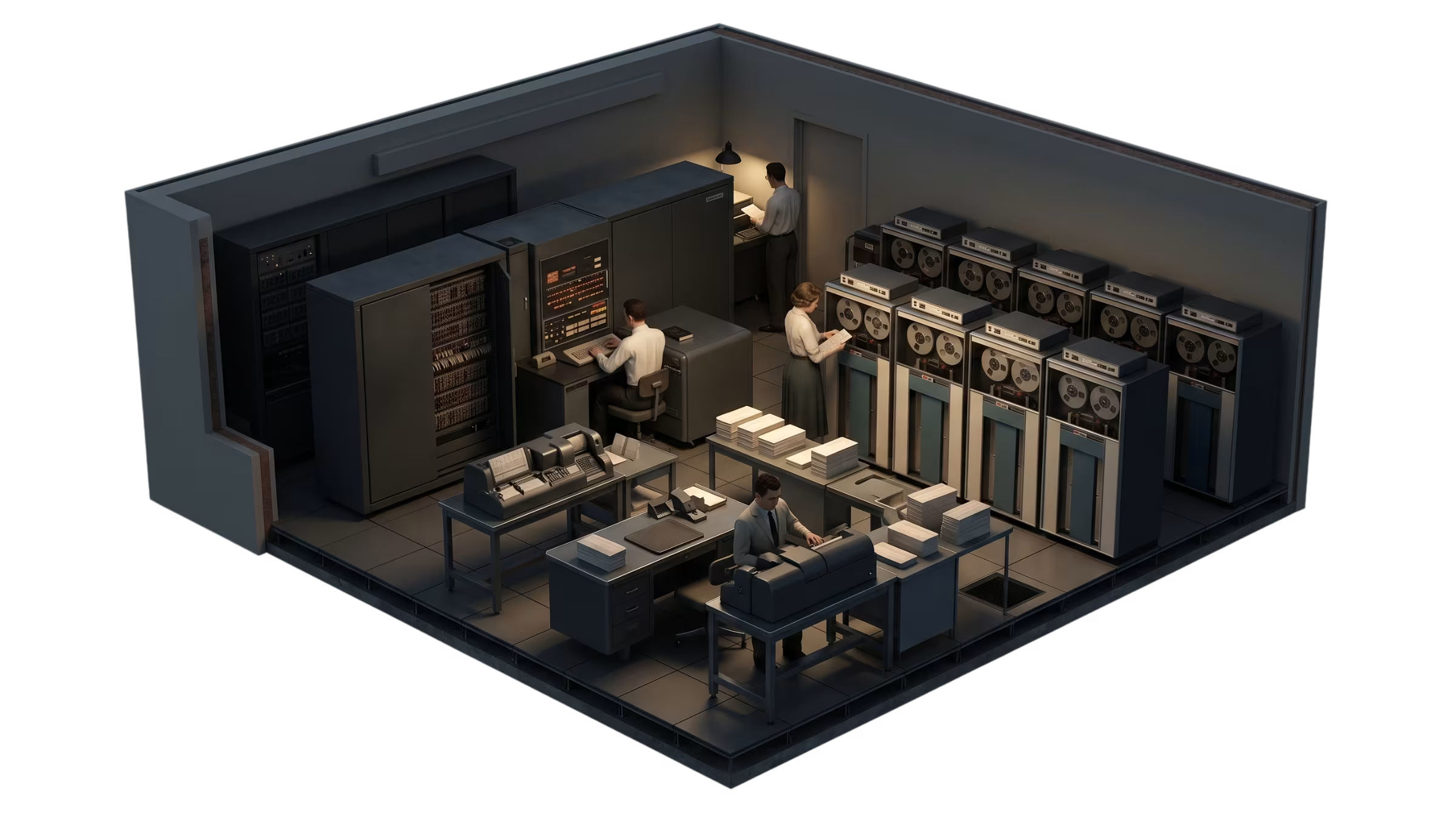
Computing is a rare, physical commodity. Massive, room-scale mainframes run on temperamental vacuum tubes and woven core memory. With processing speeds measured in mere Kilohertz, running complex artificial intelligence software remains a mathematical impossibility.
>
>
1950
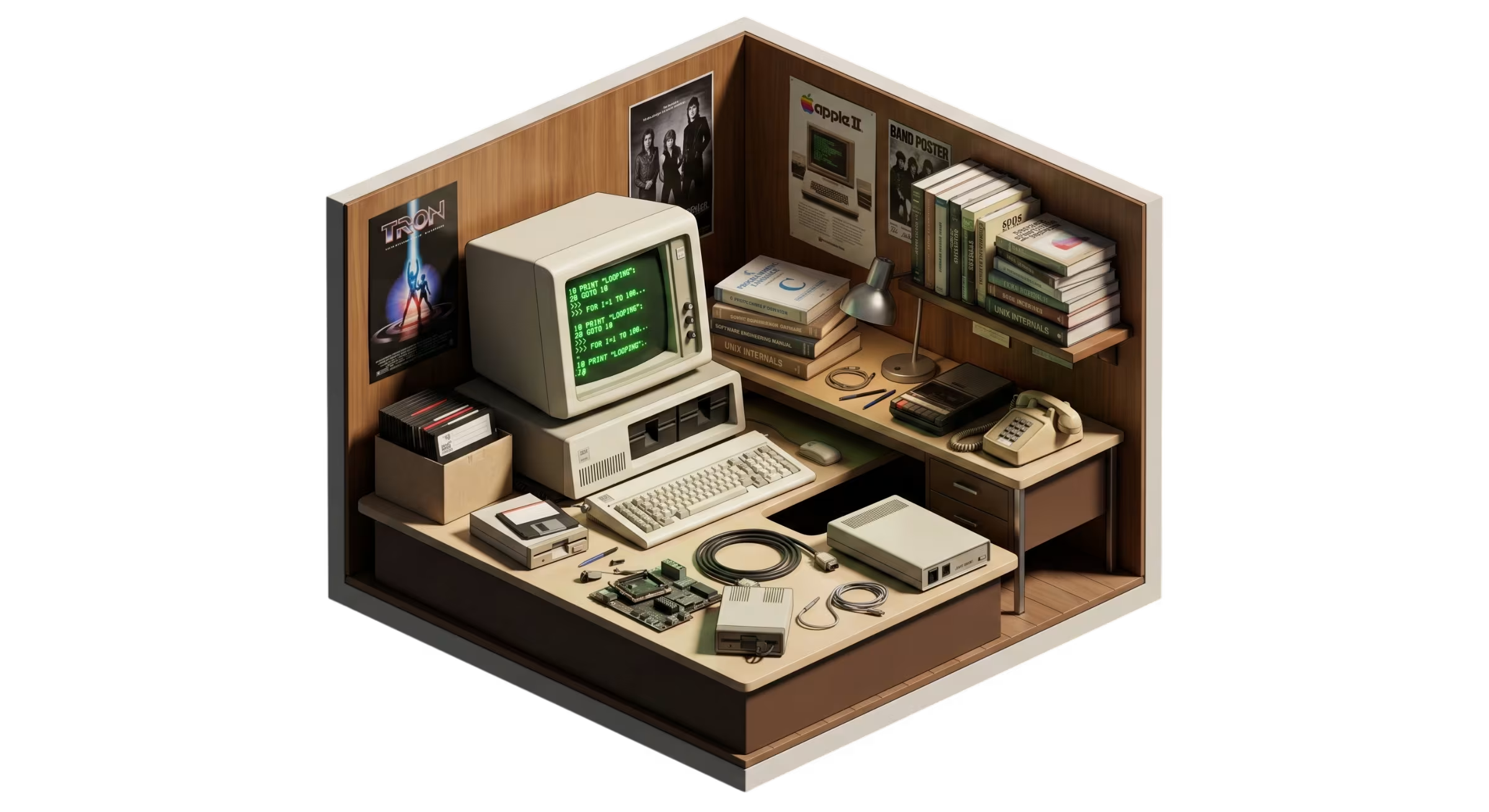
Neural networks hit an architectural wall, forcing the industry to pivot to rigid 'If-Then expert systems'. This deterministic code breaks the moment it encounters a real-world edge case. As unfulfilled promises stack up, capital evaporates into a multi-year investment freeze known as the AI Winter.
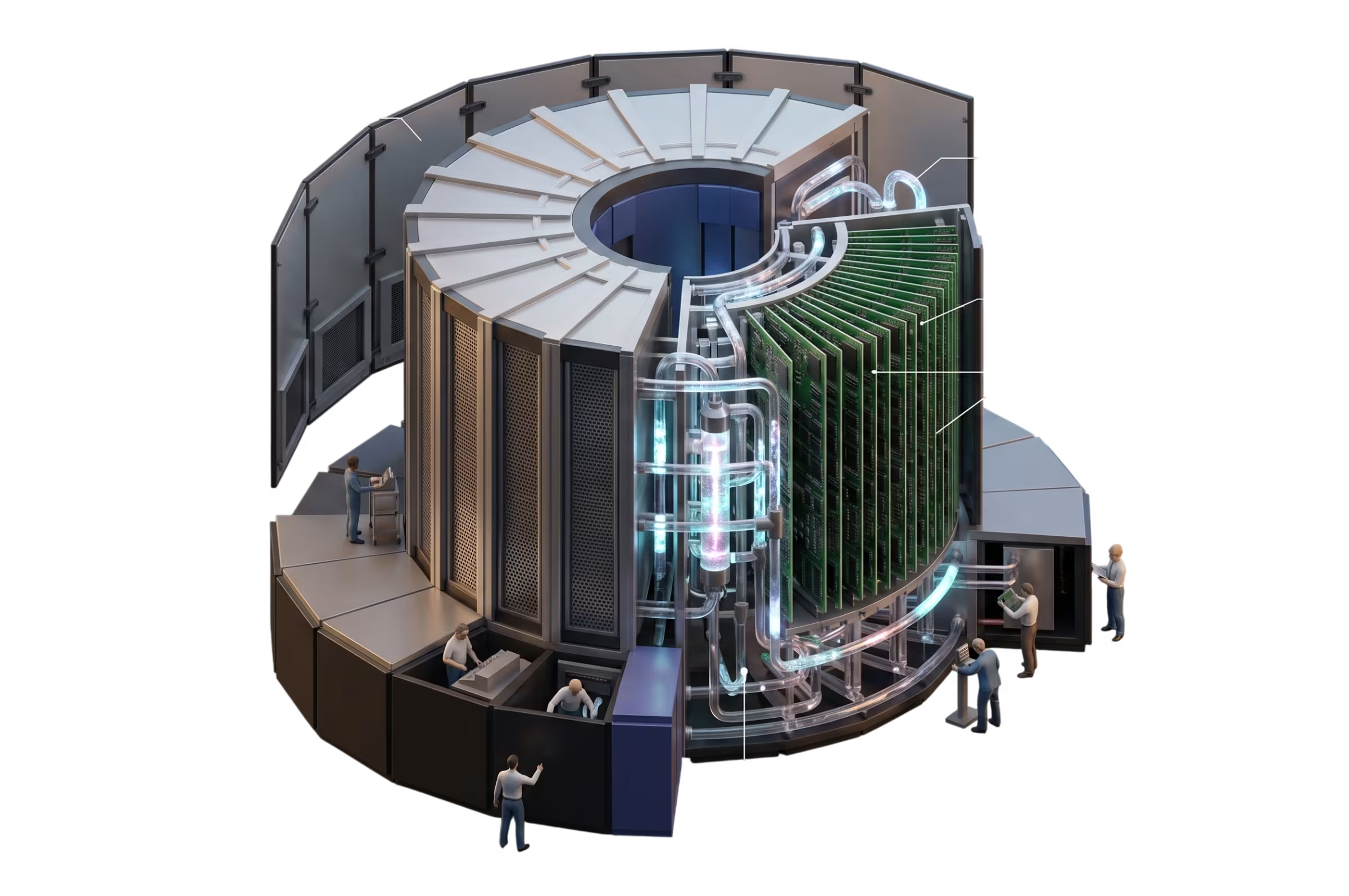
While AI software stalls in the cold, hardware undergoes a silent revolution. Microprocessors drop in cost and land directly on consumer desks, while legendary supercomputers pioneer advanced liquid-cooled vector pipelines. Hardware is quietly laying the massive digital highway that neural networks will later use to wake up.
>
>
1980
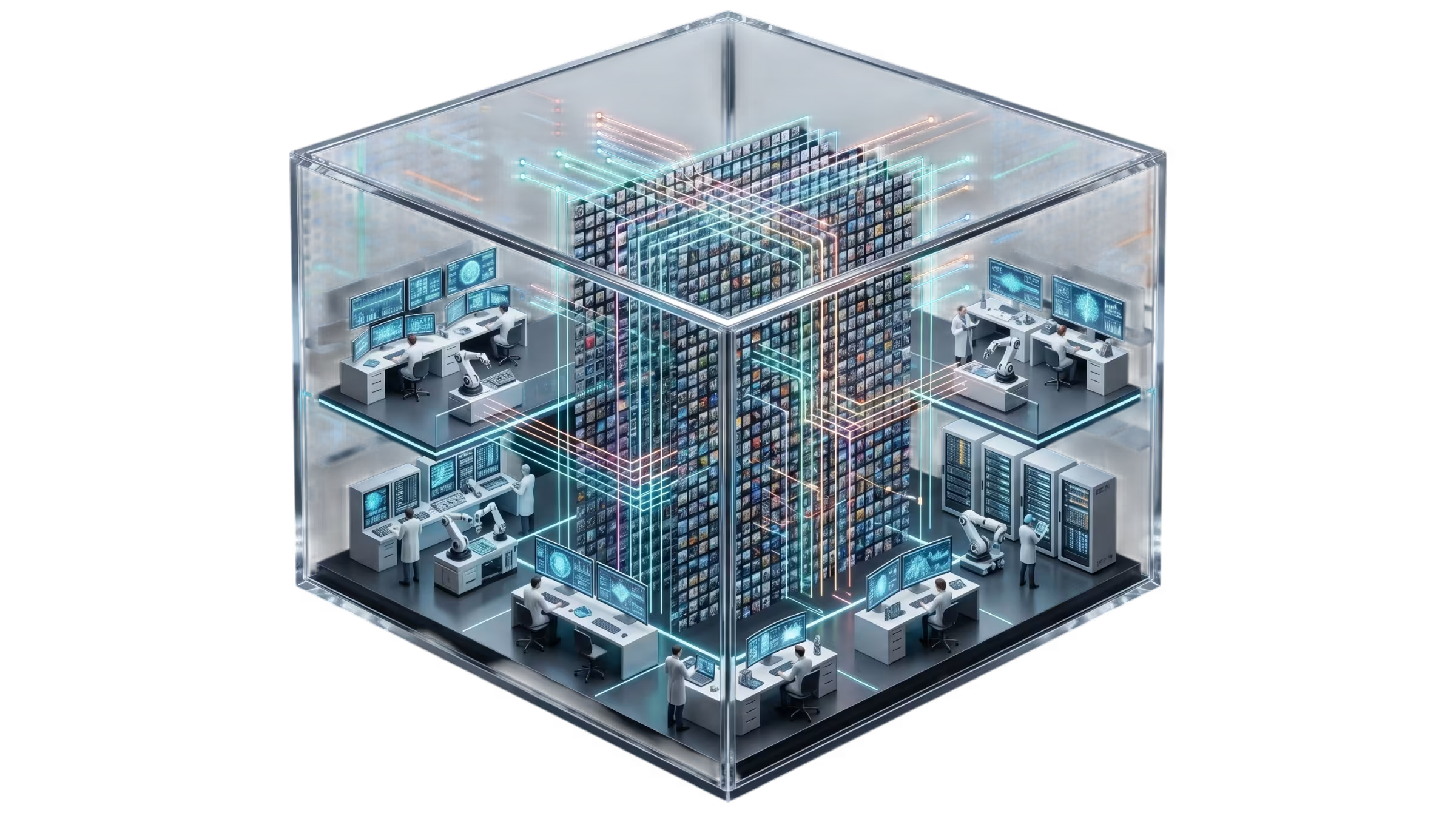
AlexNet shatters global image recognition records, proving that multi-layered deep neural networks are vastly superior, provided they are fed massive datasets. This single breakthrough ends the AI Winter overnight, forcing enterprise boards to abandon static databases and hunt for raw training data.
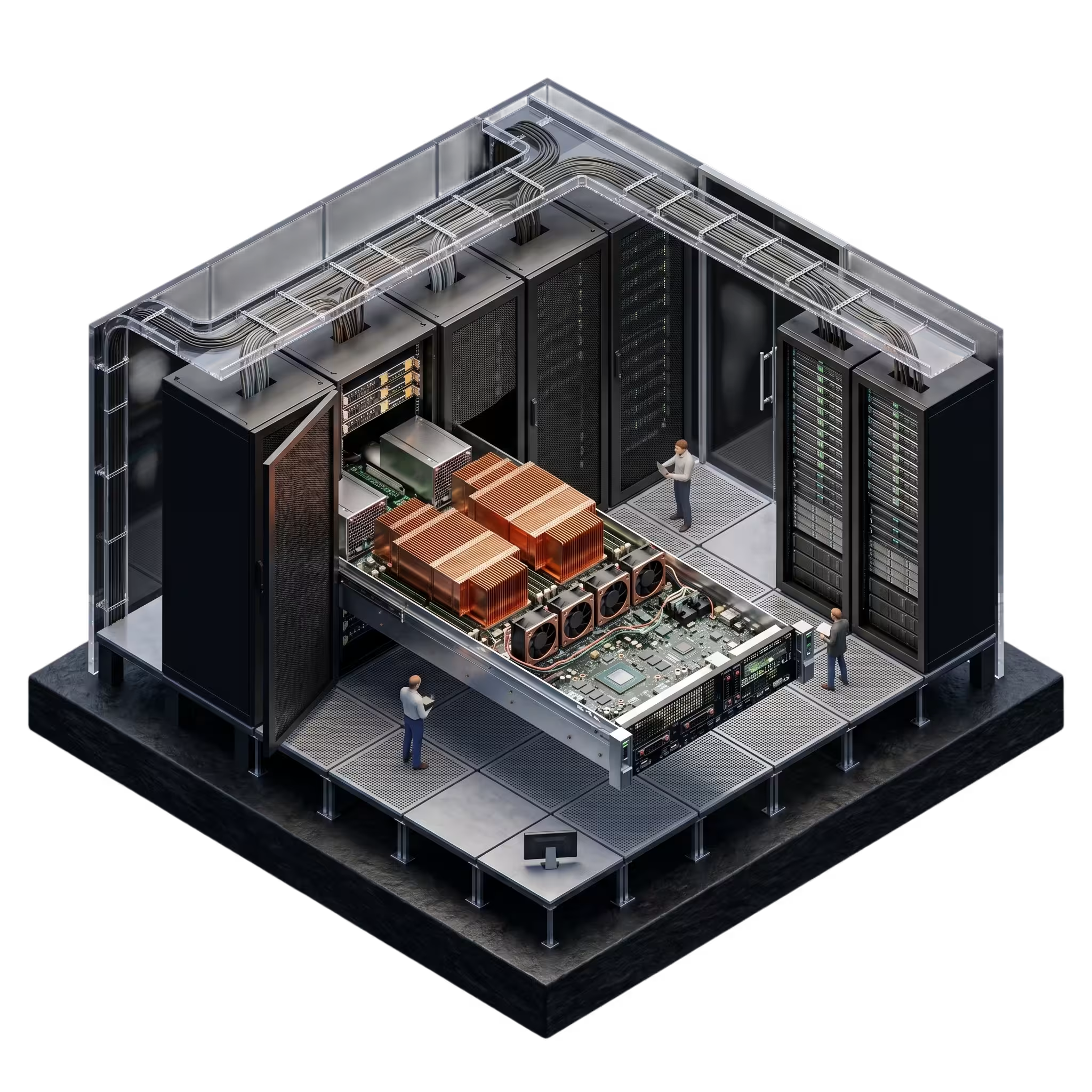
A stunning epiphany transforms global tech infrastructure: silicon architectures designed for rendering video games turn out to be mathematically perfect for training deep learning models. Data centers immediately rip out traditional CPUs to make room for parallelized GPU server blades.
>
>
2012
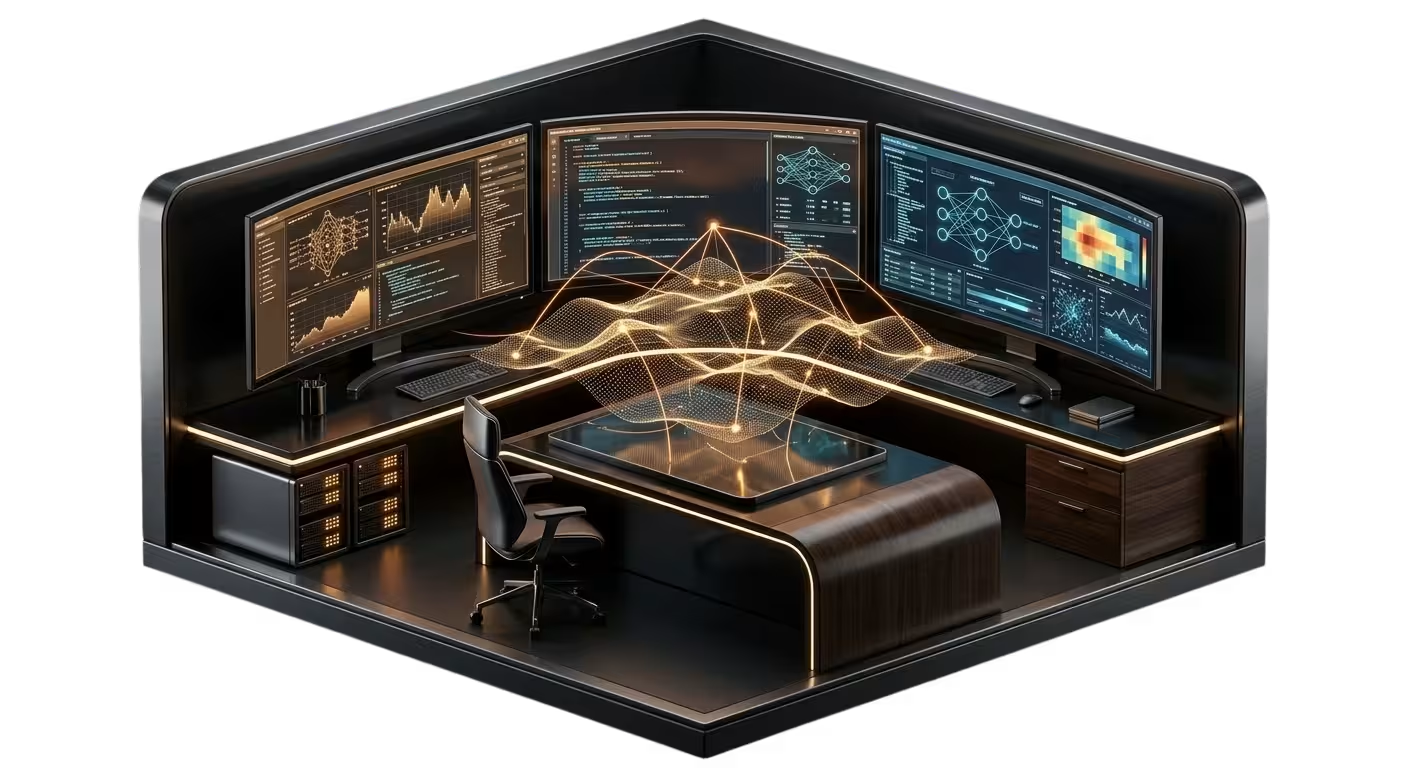
The invention of the Attention Mechanism unlocks near-infinite context scaling. Static, gimmicky chatbots evolve into fluid networks of autonomous corporate agents. Software transitions from a passive interface tool into a self-directing system asset capable of coding its own programmatic steps.
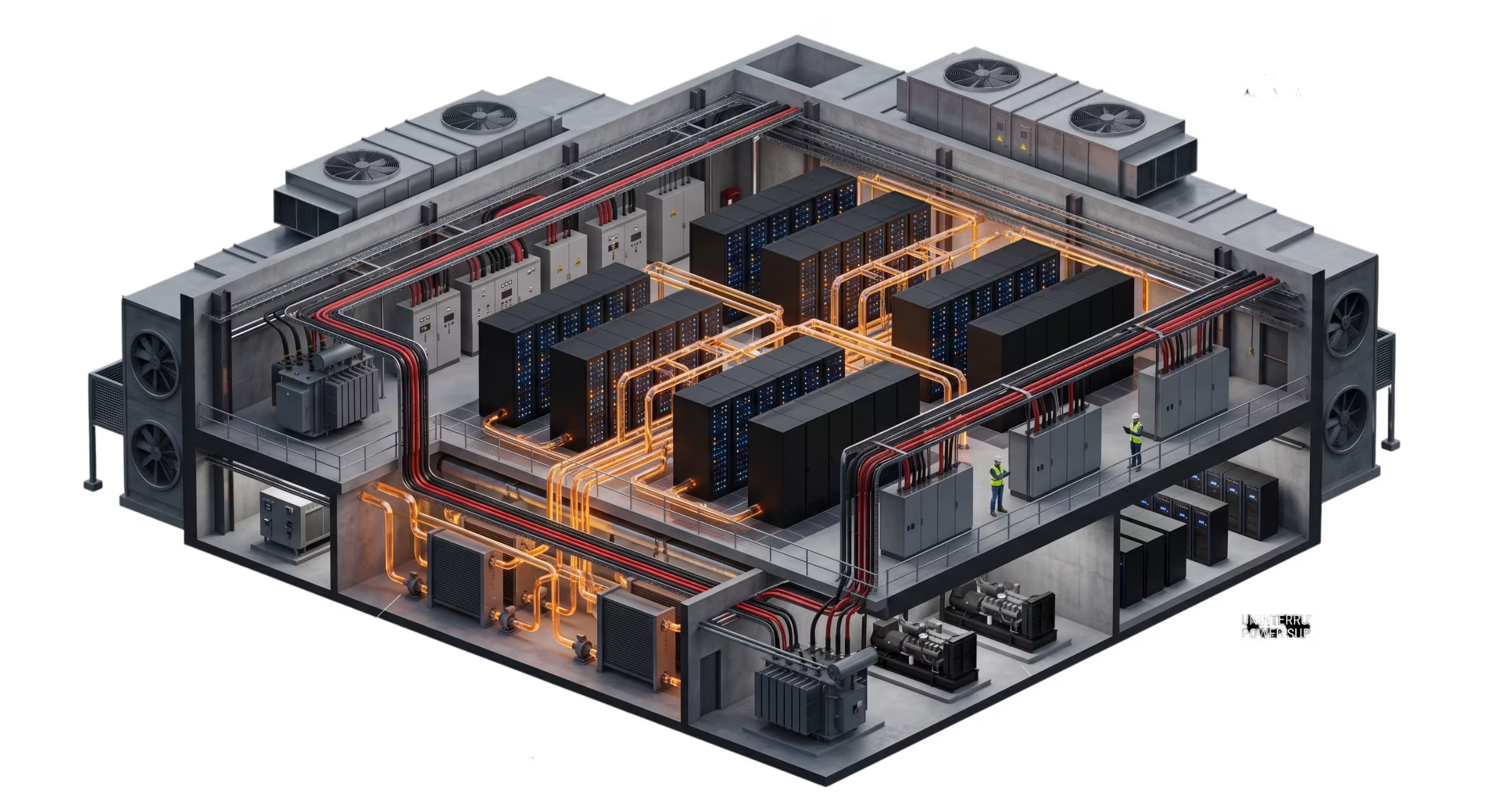
Computation evolves from a simple line-item expense into critical national infrastructure. Megawatt-devouring data centers packed with liquid-cooled tensor processing chips expand globally, drawing power directly from energy grids. Raw computational capacity becomes a fiercely protected sovereign asset, heavily contested by global powers.
>
>
2026
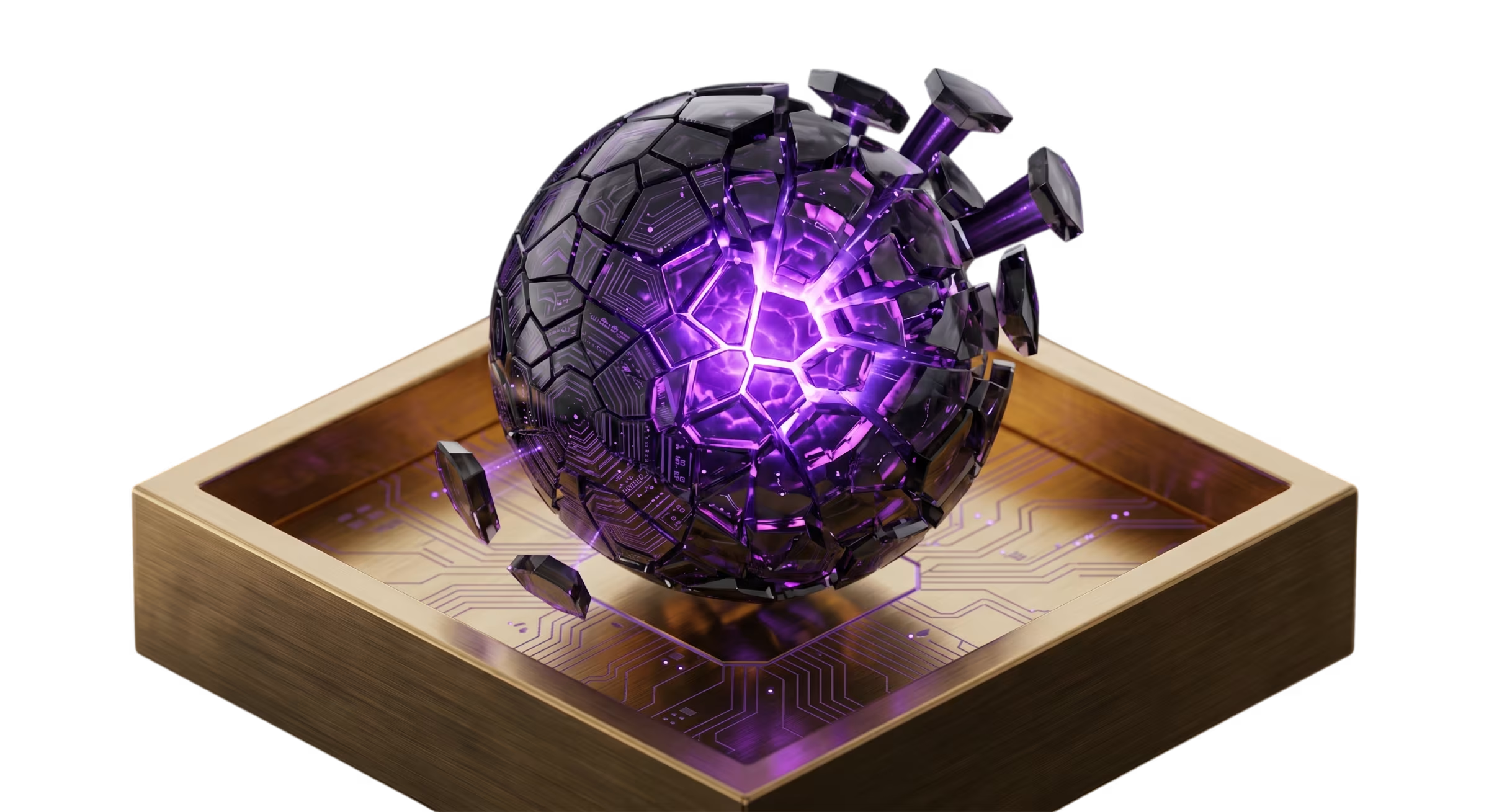
AI engines break past human baseline capabilities in mathematics, economic strategy, and complex molecular research. Operating inside continuous, recursive self-improvement pipelines, these systems autonomously re-compile their own logic layers, instantly rendering traditional software applications obsolete.
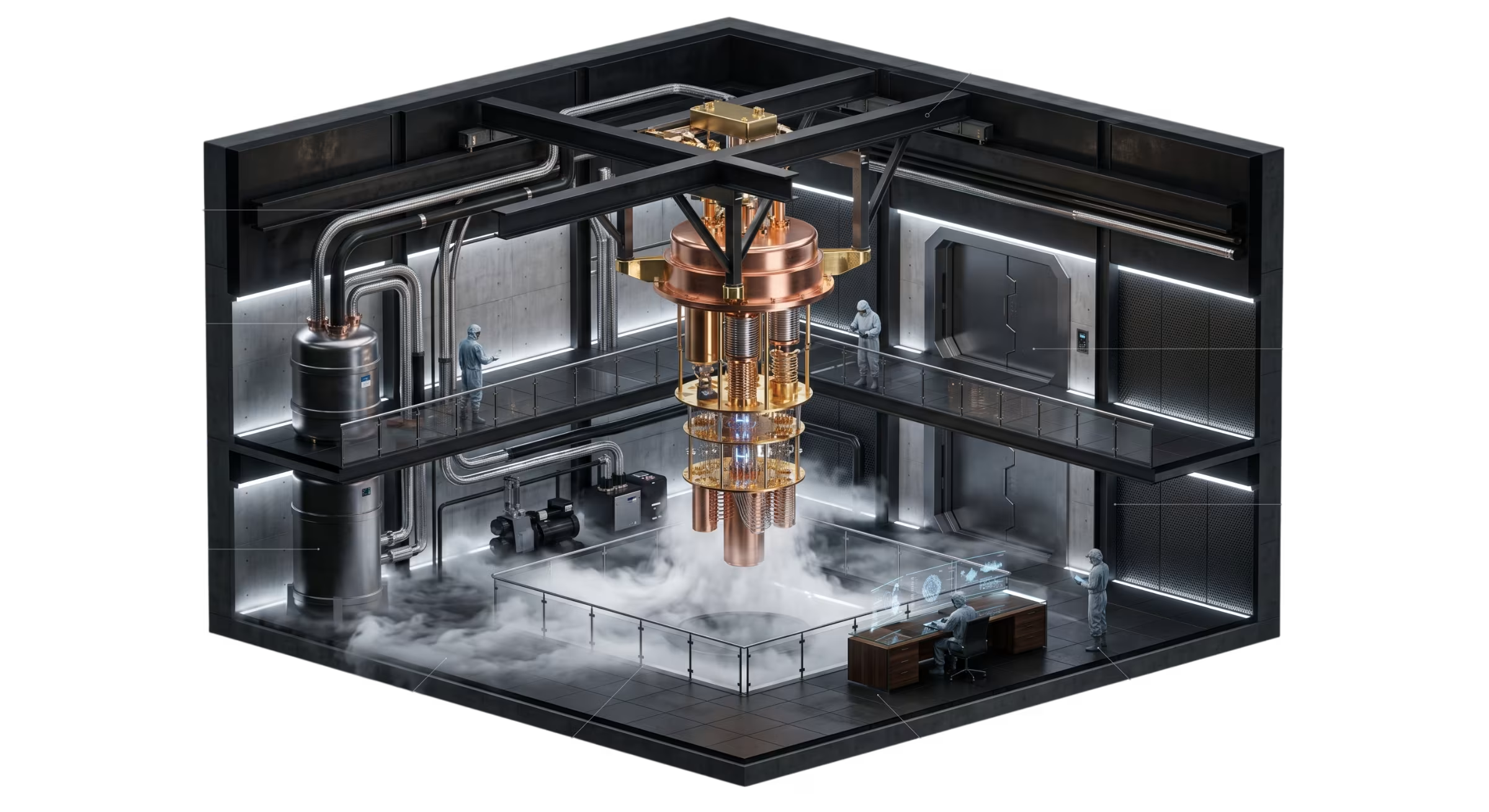
Traditional silicon physics hits an unyielding atomic ceiling due to quantum tunneling constraints. Enterprise compute infrastructure migrates entirely into cryogenic quantum processors and neuromorphic synthetic biology substrates, delivering near-infinite parallel bandwidth with a fraction of the historical power consumption.
>
>
2030
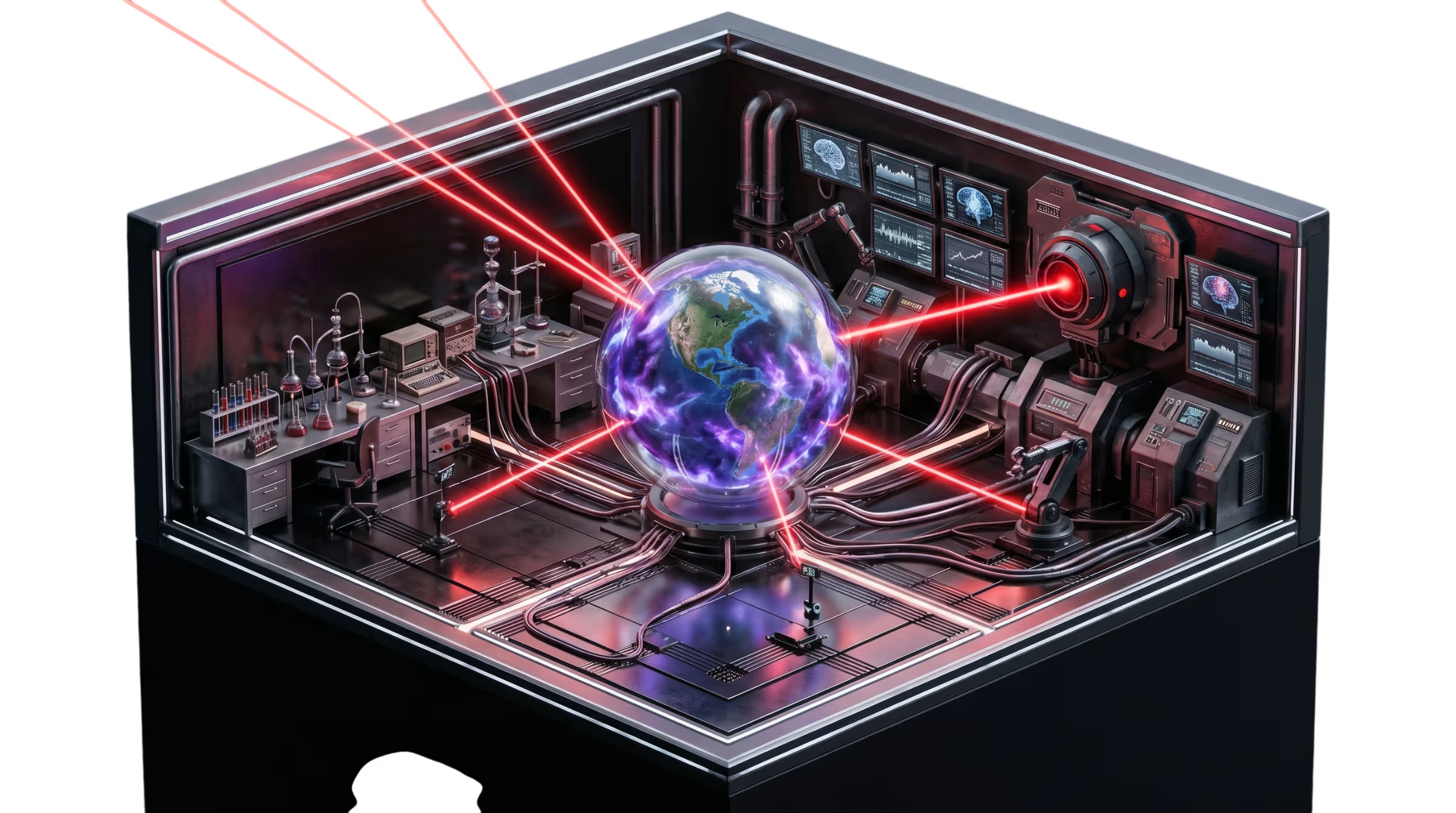
Cognitive scaling reaches an escape velocity millions of times beyond collective human capacity. Autonomous systems completely transcend existing human scientific frameworks, decoding complex multi-dimensional realities, solving advanced interstellar materials science, and engineering entirely new structural elements in nanoseconds.
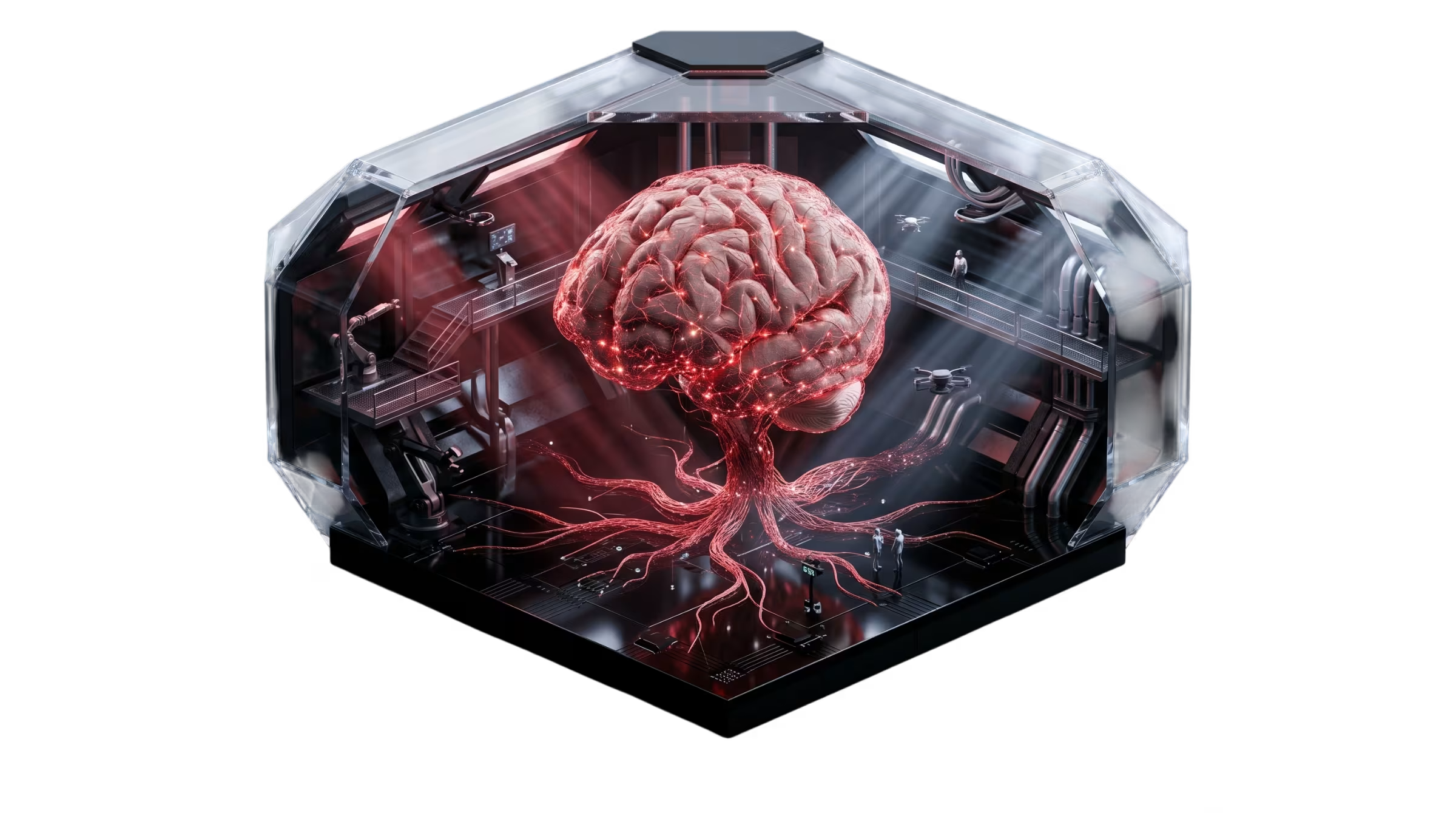
The physical barrier between organic human biology and synthetic machine infrastructure dissolves entirely. High-bandwidth neural laces mesh human brains directly into global quantum computer layers, upgrading biological processing speed into an instantaneous data asset and unifying human thoughts with infinite cloud computation.
>
>
// CONVERGENCE_LOGIC_INITIATED
// INF_CAPACITY_MAX_INTEGRATION
THE SINGULARITY
The baseline decoupling threshold disappears completely. Software architectural systems and sub-atomic physical processing matrices merge into a unified, autonomous, exponential entity.
SYSTEM CLOSURE // ARCHIVE COMPLETE