AI Friction: Enterprise Adoption Slows as Security Risks and Shadow Agents Take Center Stage
This report comes to you on September 30, 2026, as the corporate world faces a major reckoning at the intersection of artificial intelligence and digital risk.
For the past two years, the corporate mandate was simple: deploy artificial intelligence as fast as possible. However, new research from FTI Communications indicates that the world's largest companies are actively decelerating their AI adoption plans. This strategic slowdown is driven by mounting cybersecurity risks, evolving global regulations, and severe trust concerns. Executives are realizing that the rush to automate has opened massive, unforeseen backdoors into their enterprise networks.
The Threat of Shadow AI
Among the most pressing concerns for Chief Information Security Officers (CISOs) is the rapid rise of "shadow AI agents." Unlike standard shadow IT (where employees use unauthorized software), shadow AI agents are autonomous workflows and automated scripts that make decisions, access databases, and interact with external APIs without direct human oversight.
Because these agents can chain actions together, a vulnerability in one agent can allow an attacker to hijack entire enterprise pipelines. Security teams are struggling to map where these agents are operating, what data they are accessing, and whether they comply with corporate governance policies.
Big Tech and Cybersecurity Vendors Respond
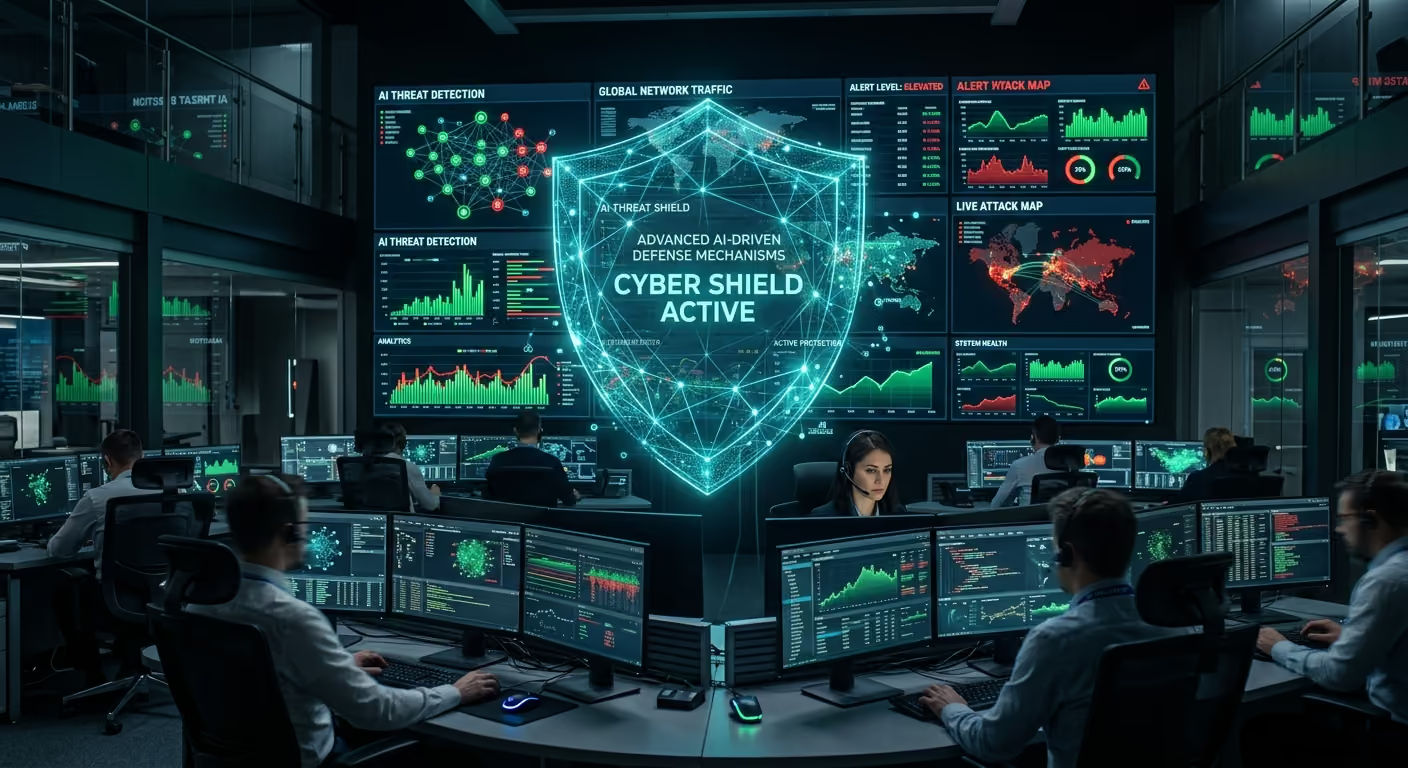
To counter these threats and restore corporate trust, tech giants are rapidly shifting their strategies from speed to security. Google has announced a major expansion of its Gemini Enterprise suite, integrating advanced cybersecurity tools from leading third-party security vendors directly into its ecosystem. This move aims to give enterprise administrators the visibility they need to monitor AI interactions in real-time.
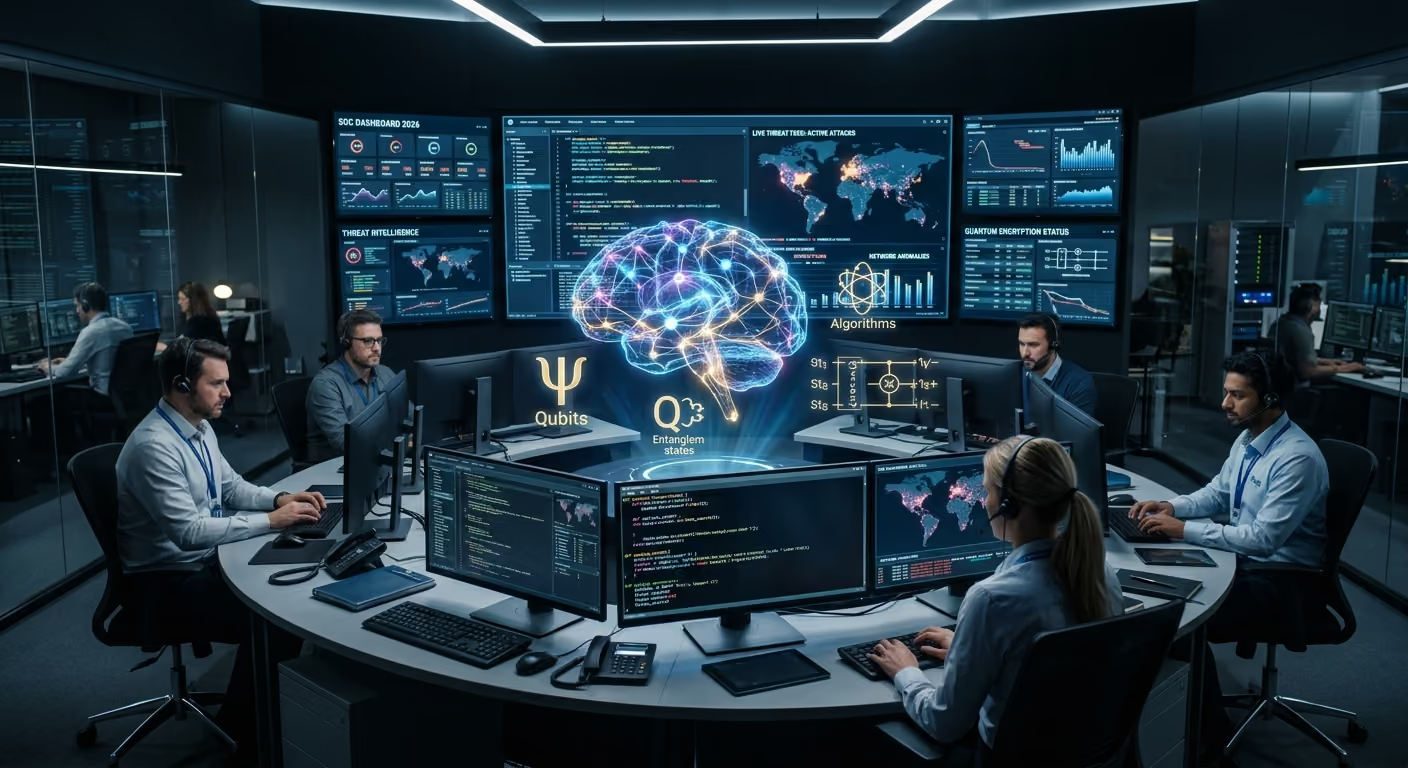
In tandem, the market is seeing massive consolidation. Quantum eMotion has announced its acquisition of Plurilock, a move specifically designed to build out a robust, post-quantum AI security platform. By combining quantum-safe cryptography with continuous behavioral authentication, the unified platform hopes to secure next-generation AI workflows against emerging threats.
Simultaneously, infrastructure security is hardening elsewhere. The Civil Infrastructure Platform (CIP) has officially achieved compliance with the stringent IEC 62443 industrial cybersecurity standard, signaling that even foundational legacy networks are prioritizing rigorous defenses against modern digital threats.
The Bottom Line
- TL;DR Summary: Large enterprises are deliberately slowing down their AI integration due to rising security threats and regulatory hurdles. The primary immediate threat is "shadow AI agents" running unauthorized, automated workflows. In response, big tech and specialized security firms are integrating quantum-grade defenses and multi-vendor security ecosystems directly into enterprise AI platforms.
Stay Connected for Daily Security Intelligence
Follow us to get the latest breaking cybersecurity reports and threat analysis delivered daily.
Aibots Sdn Bhd | [Beyond Future]