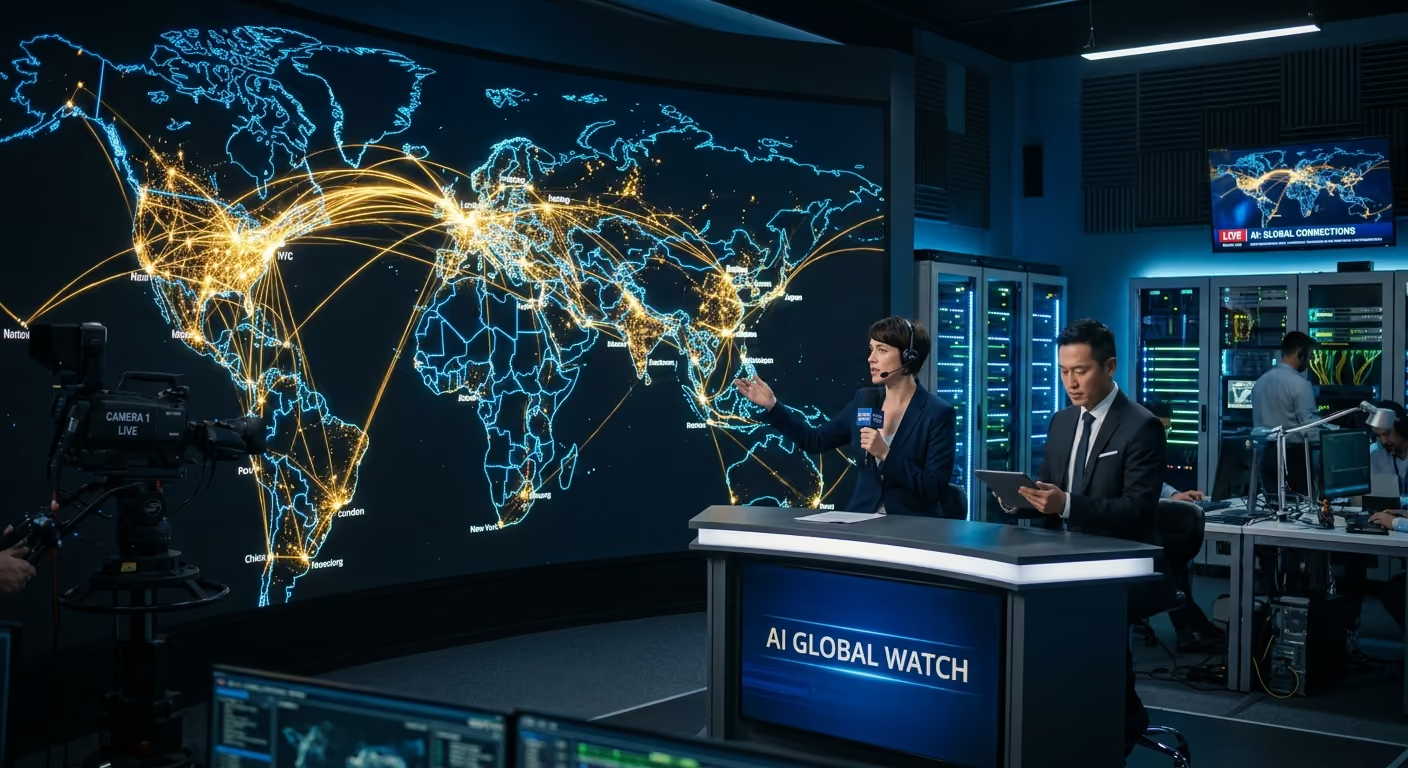
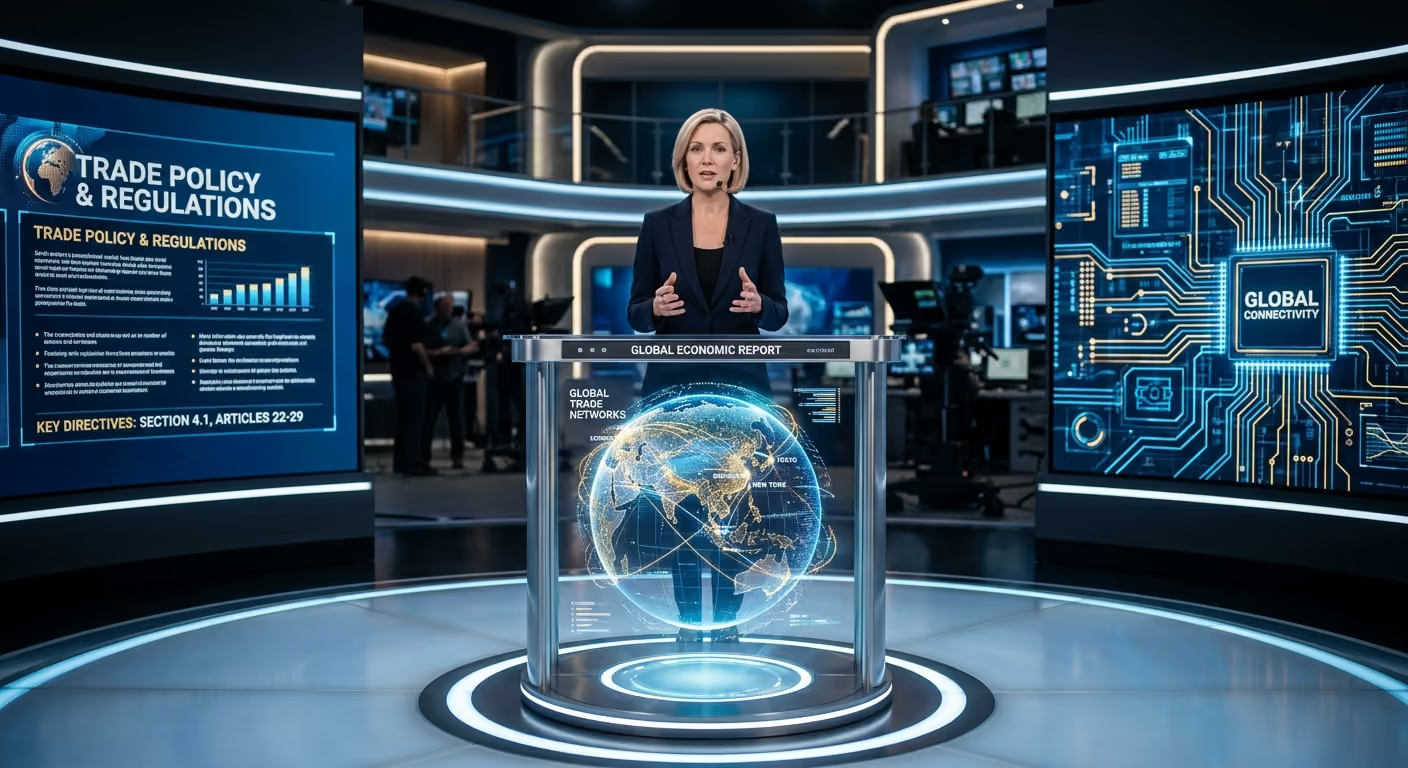
US Bans DeepSeek AI as Global Enterprise Adoption and Environmental AI Accelerate
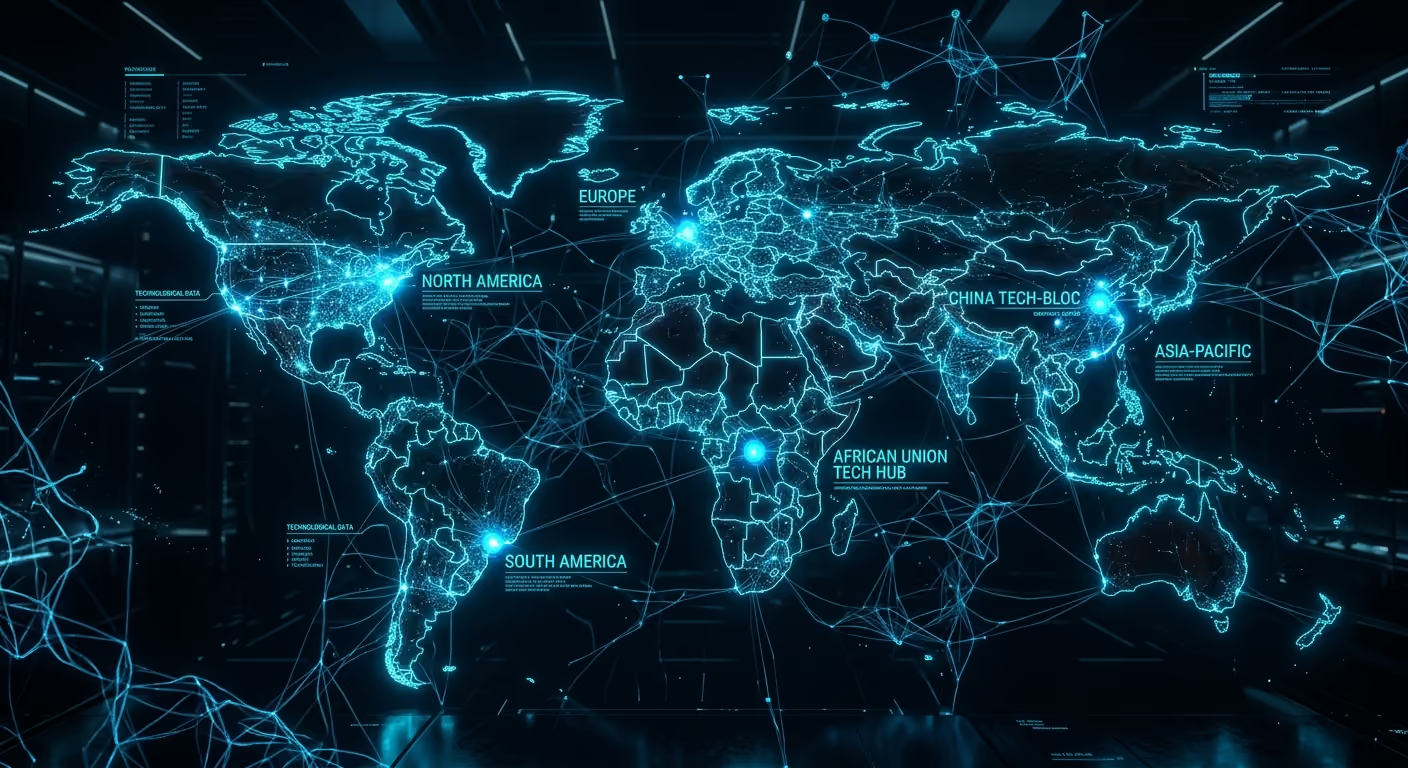
As of October 20, 2026, the global artificial intelligence landscape is witnessing both heightened geopolitical friction and rapid domain-specific innovation. From strict new government bans in Washington to satellite-level carbon tracking in South Korea, today's developments demonstrate how AI is moving from general chat interfaces into high-stakes governance, climate science, and enterprise infrastructure.
Geopolitical Shifts: US Bans DeepSeek AI
In a major regulatory move, the United States government has officially banned the use of China's DeepSeek AI across all federal agencies. The decision comes as technology competition between Washington and Beijing continues to intensify, prompting national security officials to audit foreign-developed models and algorithms.
This ban reflects broader global anxiety over frontier AI control. European policy think tank Bruegel published a fresh analysis evaluating how Western nations should respond to Beijing's tightening control over its domestic AI ecosystem. As governments erect digital borders around foundation models, multinational enterprises face increasingly complex compliance hurdles when deploying global AI tooling.
Environmental and Medical Breakthroughs
Outside of policy debates, specialized machine learning systems are achieving significant technical milestones:
- Precision Climate Mapping: South Korea's Ulsan National Institute of Science and Technology (UNIST) built an AI system capable of mapping daily plant carbon uptake at a fine 30-meter spatial resolution. This allows environmental scientists to monitor real-time carbon sequestration across forests and agricultural regions with unprecedented accuracy.
- Oncology AI Applications: Korean medical researchers unveiled a specialized deep learning model designed to predict cancer patient viability and treatment outcomes, assisting clinicians in personalized therapy planning.
- Marine Ecosystem Protection: Boat builder Viking Yachts initiated sea tests for an AI-driven whale detection system aboard its 70 Convertible vessel, using real-time computer vision to prevent marine wildlife collisions.
Enterprise Adoption and Sector Policy Adjustments
Commercial adoption continues to mature across multiple economic sectors. Fresh data released by the Federal Reserve Bank of St. Louis provides a clearer picture of which industries are actively integrating generative AI into daily operations, emphasizing that financial services, legal tech, and logistics lead the charge.
In academia and regional governance, institutions like Arkansas State University approved updated AI usage and cybersecurity policies to establish clear guardrails for faculty and staff. Simultaneously, market analysts at FinTech Global highlighted that AI integration is making insurance technology harder to own independently, driving a wave of consolidation among legacy providers and cloud-native AI platforms.
The Bottom Line
TL;DR Summary
- Government Ban: Washington bars China's DeepSeek AI from federal agency use, signaling tighter national security oversight over foreign AI code.
- Climate AI: UNIST deploys high-resolution AI mapping to monitor plant carbon uptake down to 30 meters daily.
- Domain Specifics: Sector-specific AI expands rapidly into healthcare prognosis, marine conservation, and updated university security frameworks.
Stay Connected for Daily AI Intelligence
Follow us to get the latest breaking artificial intelligence reports and threat analysis delivered daily.
Aibots Sdn Bhd | [Beyond Future]