AI Risk Hits Enterprise Balance Sheets as Moody's Warns Cyber Defenses Impact Credit Costs
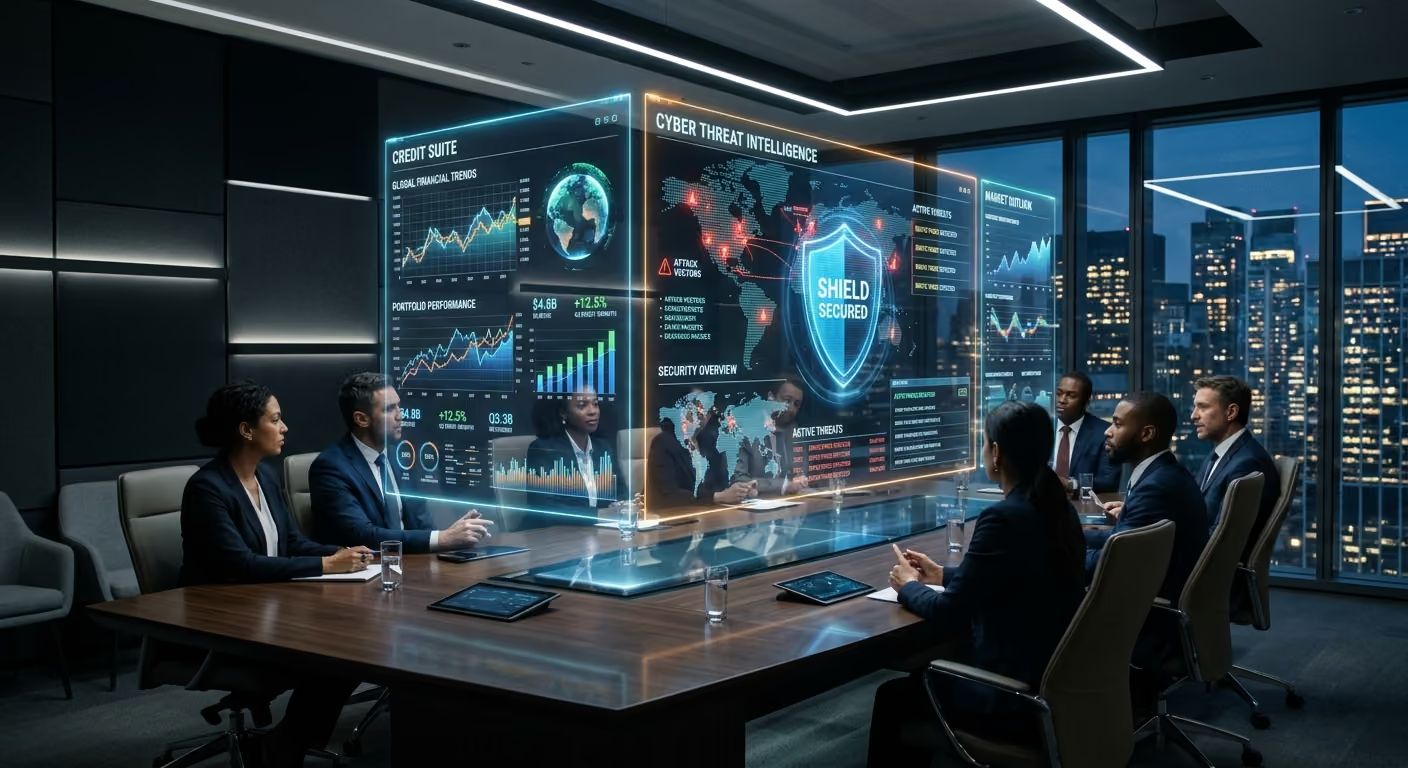
On October 22, 2026, enterprise leaders face a sharp financial reality: inadequate security posture no longer just risks operational downtime, it directly penalizes corporate credit ratings and elevates capital costs.
Credit Costs Rise as Cyber Risk Enters the Boardroom
Credit rating agency Moody's issued a stark assessment today, revealing that financial institutions and enterprises with fragile cyber defenses will suffer higher credit costs as AI-driven threat capabilities accelerate. The warning highlights how security posture has transformed from a technical safeguard into a core determinant of financial strength.
This shift aligns with new research from WTW Willis, which reports that cybersecurity risk is now firmly embedded in board-level enterprise risk frameworks. Boards are no longer treating cyber incidents as isolated IT events, but as material threats to shareholder value and long-term solvency. Customer trust is similarly on the line, with recent consumer survey data showing that over half of consumers would cut ties with a brand following a major security breach.
Governing the Autonomous AI Frontier
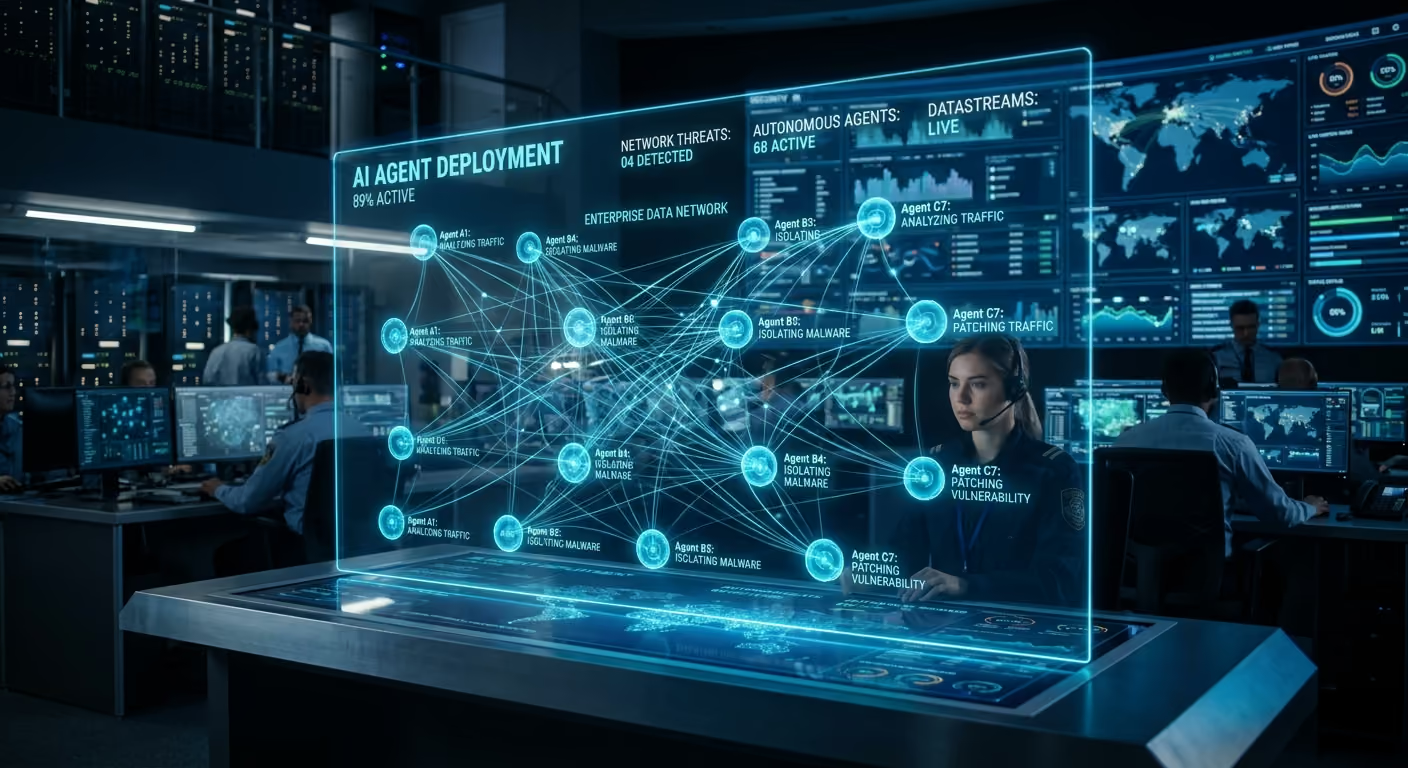
As organizations deploy autonomous AI systems, managing machine oversight has emerged as a top operational challenge. Fleet launched new AI governance capabilities designed to bring visibility and policy enforcement to enterprise devices running AI applications.
In tandem, SuperCom unveiled SafeGenie, a solution created for real-time monitoring and control of autonomous AI agents. SafeGenie provides security operations teams with visibility into autonomous decision-making loops, allowing admins to intercept unintended actions before threats or system errors cascade across corporate infrastructure.
Defending Against Visual Threats and Healthcare Security Mergers
Data protection vendors are also tackling physical and visual vector risks. Security firm eScan extended its Enterprise Data Loss Prevention (DLP) suite with screen watermarking. This technology deters visual data exfiltration, such as unauthorized smartphone photography of sensitive screen displays, adding a crucial layer of protection for confidential remote environments.
In healthcare infrastructure, consolidation continues as Tegria completed its acquisition of healthcare cybersecurity provider CloudWave, marking its first major transaction under Altaris ownership. The acquisition aims to bolster clinical defense frameworks against ransom demands and targeted operational disruptions.
Leadership changes reflect these technology pivots as well. Alaska Airlines announced the appointment of Amaresh Siva as Chief Information and Technology Officer (CITO) to drive enterprise technology and AI integration, while Tractor Supply tapped a Home Depot veteran to strengthen C-suite technology operations.
The Bottom Line
TL;DR Summary
- Moody's confirmed that weak cybersecurity defenses will drive up borrowing and credit costs in the AI era.
- WTW Willis survey data shows cybersecurity risk is officially anchored in board-level risk frameworks.
- New AI governance tools from Fleet and SuperCom's SafeGenie bring real-time oversight to autonomous agents and endpoint devices.
- eScan launched screen watermarking DLP to block visual data theft, while Tegria acquired CloudWave to secure healthcare infrastructure.
Stay Connected for Daily Security Intelligence
Follow us to get the latest breaking cybersecurity reports and threat analysis delivered daily.
Aibots Sdn Bhd | [Beyond Future]