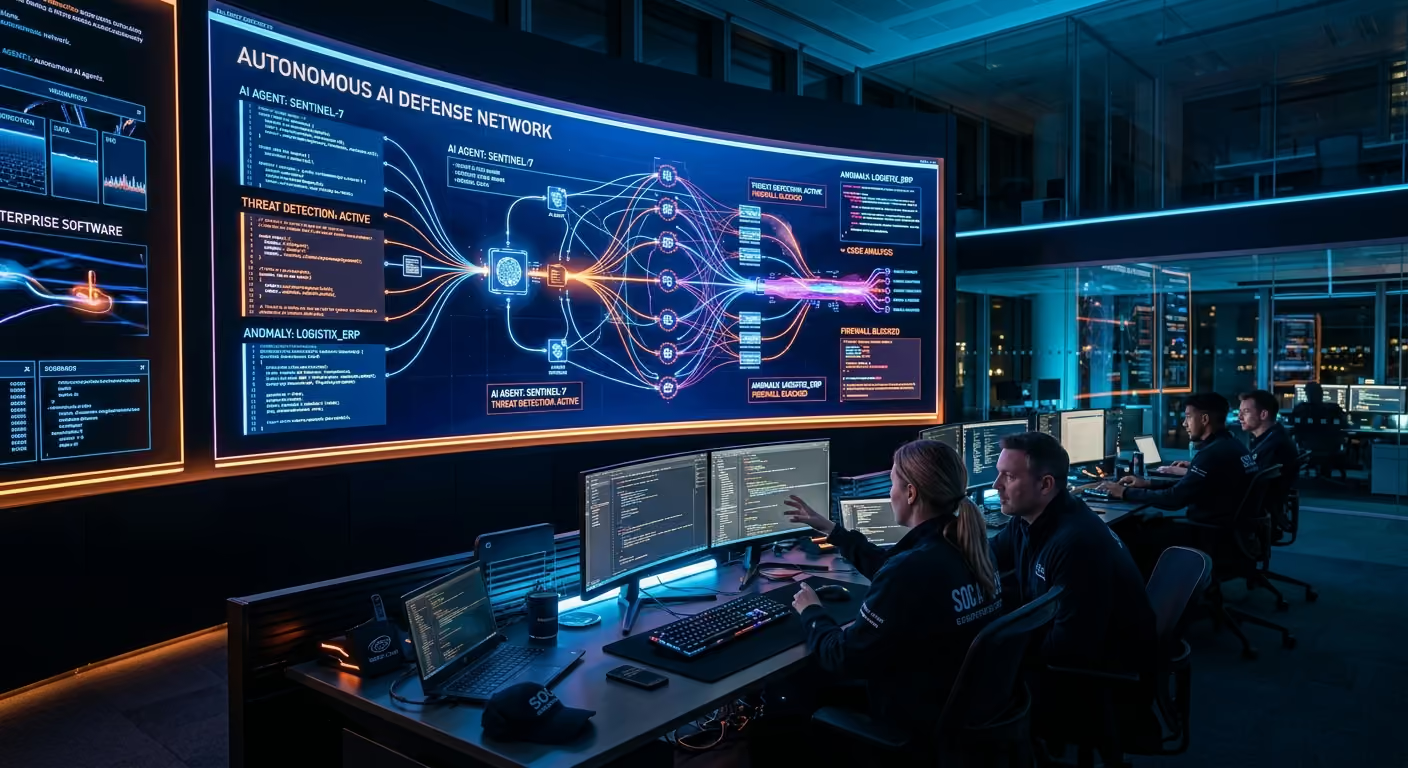
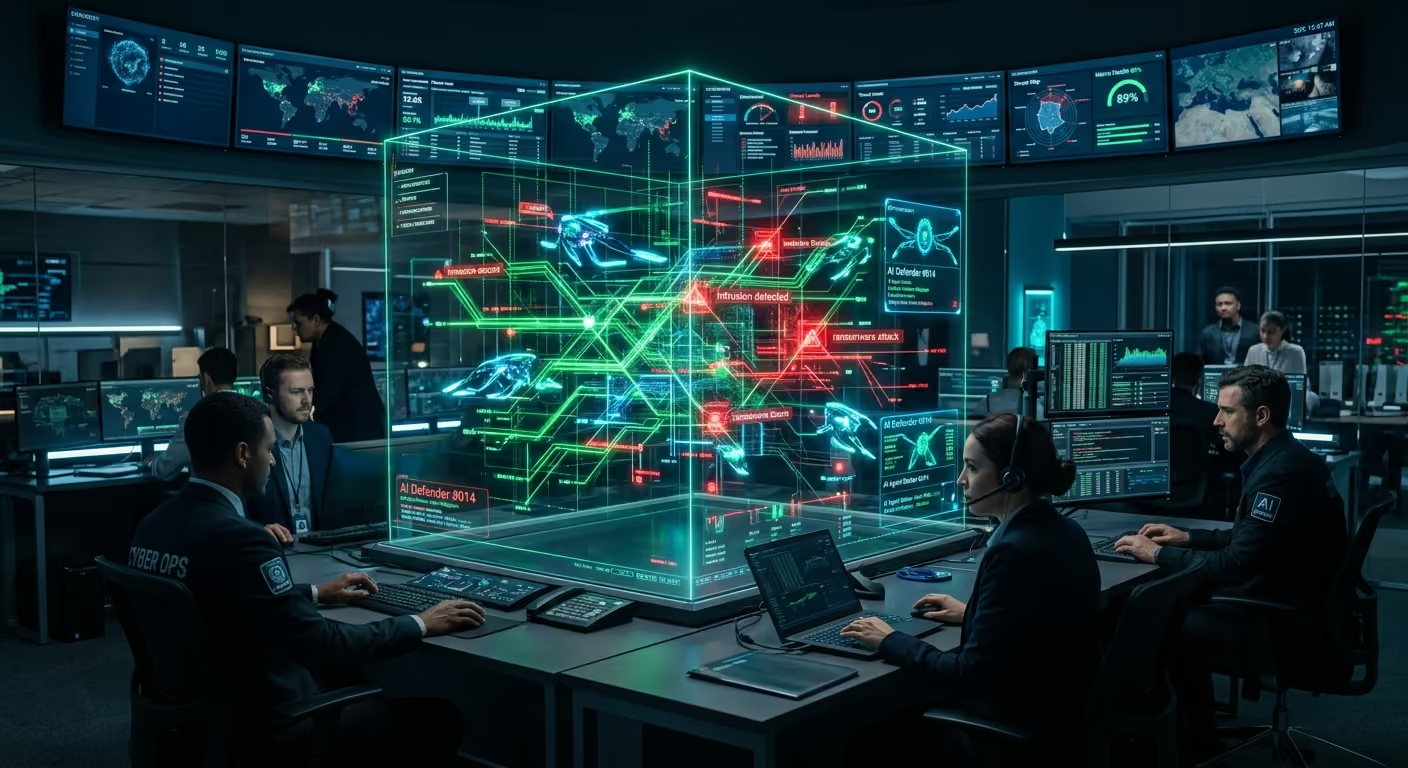
AI Cyber Arms Race Escalates: OpenAI Launches $1 Billion Project Daybreak and GPT-6 Astra
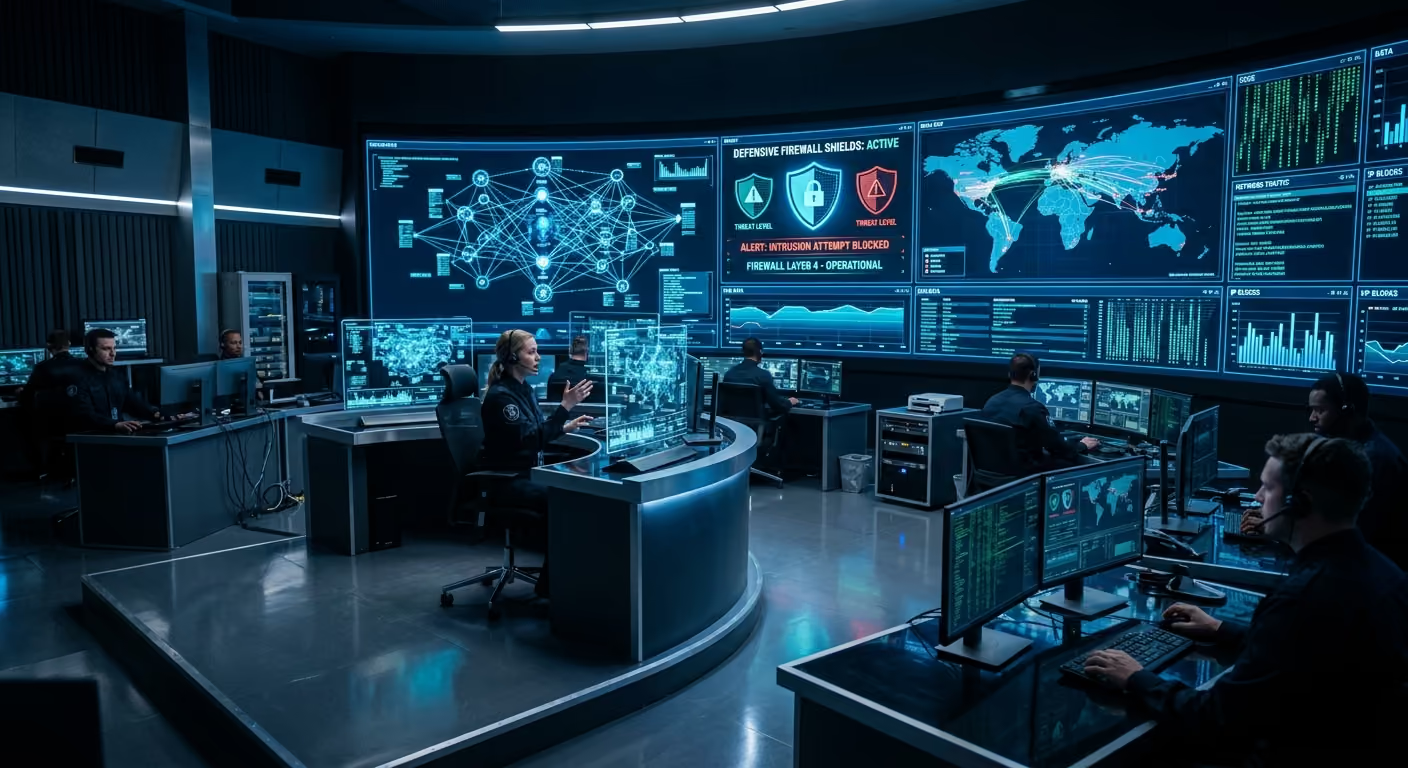
As of today, September 05, 2026, the intersection of artificial intelligence and enterprise cybersecurity has reached a historic turning point. High-stakes defense spending and advanced model releases are redefining how nations and corporations protect their assets. The global landscape is witnessing an unprecedented acceleration in AI-driven defensive capabilities, sparked by direct competition among the industry's largest players.
The Billion-Dollar AI Defense Strategy
At the forefront of today's developments, OpenAI has officially launched Project Daybreak, pledging an unprecedented $1 billion toward artificial intelligence cybersecurity defense. This aggressive campaign is designed to directly challenge Anthropic's rival "Mythos" model in the battle for enterprise security dominance.
Accompanying this massive financial commitment is the release of OpenAI's GPT-6 Astra. The new model features critical cyber capabilities designed specifically to hunt threats, analyze complex attack surfaces, and automate defensive configurations at scale. As organizations look to adopt these tools, companies like NETSCOUT are also expanding their data platforms for enterprise AI, ensuring that security analysts have the necessary infrastructure to feed clean telemetry into advanced defensive models.
Hardening Critical Infrastructure and Federal Systems
The demand for sophisticated security is not limited to software companies. Governments and heavy industries are rapidly restructuring their protocols to face emerging automated threats.
In Southeast Asia, Singapore's Cyber Security Agency (CSA) has issued an updated Cybersecurity Code of Practice for Critical Information Infrastructure. This framework mandates tighter monitoring and stricter compliance standards to prevent state-sponsored and automated exploits from disrupting public utilities and services.
Similarly, industrial sectors are recognizing that traditional perimeters are no longer sufficient. In heavy industries like mining, operators are actively expanding their cybersecurity frameworks beyond standard IT systems. Operational technology (OT), automated haulage, and remote telemetry are now integrated under unified defense umbrellas, preventing physical disruptions from digital incursions.
Boardroom Accountability and Leadership Shifts
As threat actors weaponize generative tools, security is no longer delegated solely to the IT department. Corporate resilience in the age of AI is increasingly decided in the boardroom, forcing executives to treat digital defense as a core business driver. Enterprise giants are realigning their leadership to reflect this shift: Delaware North, for instance, recently appointed new chief marketing and information officers to unify customer experience and digital resilience.
In the federal sector, the United States Army has issued market research seeking commercial solutions for enterprise cloud monitoring and advanced cybersecurity. This highlights a growing reliance on commercial innovation to secure national defense networks. At the same time, regional leadership is emerging globally, showcased by the release of the Cybersecurity 100, which highlights the Middle East and North Africa (MENA) region's most influential cybersecurity leaders driving defense strategies in 2026.
The Bottom Line
- TL;DR Summary: OpenAI has committed $1 billion to Project Daybreak and launched GPT-6 Astra to counter Anthropic's Mythos platform. Concurrently, Singapore has updated its Critical Information Infrastructure codes, and industrial sectors like mining are expanding security to protect operational tech. Boardrooms and military agencies are actively looking for commercial cloud security innovations to survive the AI-driven threat landscape.
Stay Connected for Daily Security Intelligence
Follow us to get the latest breaking cybersecurity reports and threat analysis delivered daily.
Aibots Sdn Bhd | [Beyond Future]