Intel's $2.3B Classiq Acquisition, Phasecraft's AI Breakthrough, and Vietnam's First Quantum System

As of October 29, 2026, the quantum computing industry is advancing at breakneck speed, building on last week's error correction milestones with massive commercial transactions and algorithmic leaps. From billion-dollar acquisitions to sovereign hardware installations, the bridge between quantum physics and enterprise execution is closing faster than ever.
Intel to Acquire Quantum Software Leader Classiq in $2.3 Billion Deal
In one of the largest acquisitions in quantum computing history, Intel has reached an agreement to acquire Israel-based quantum software leader Classiq for $2.3 billion. Classiq's platform, which automates quantum circuit synthesis and optimizes high-level algorithms for real quantum hardware, will be integrated directly into Intel's full-stack quantum roadmap. The deal signals that tech giants view automated quantum orchestration software as a critical competitive moat alongside hardware manufacturing.
Phasecraft and Virginia Tech Cut Quantum Compilation Costs by 73% with AI
Quantum software company Phasecraft, collaborating with researchers at Virginia Tech, unveiled an algorithmic breakthrough that uses artificial intelligence to slash quantum circuit compilation costs by 73 percent. Compilation overhead has long been a primary bottleneck when mapping complex quantum simulations onto noisy hardware. By deploying AI agents to optimize gate operations and reduce circuit depth, the team enabled complex chemistry and materials science algorithms to run efficiently on current quantum processors.
Quandela and Quanova Partner to Deploy Vietnam's First Quantum Computer
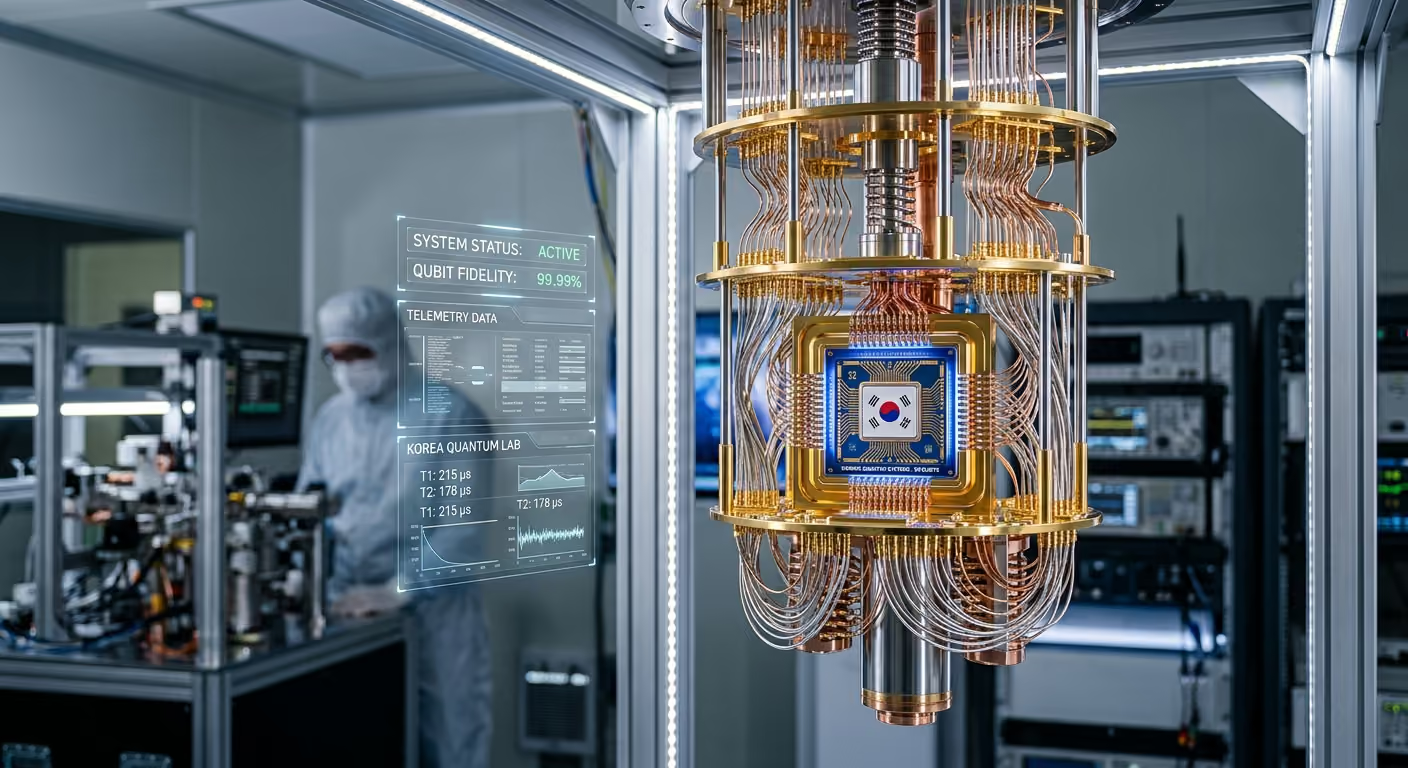
Photonic quantum computing company Quandela has partnered with Quanova to deploy Vietnam's first operational quantum computer. The initiative brings advanced photonic hardware directly into Southeast Asia's growing technology ecosystem. The system will be integrated into regional high-performance computing centers to support enterprise research in logistics, advanced materials, and cryptographic security.
Shared Control Lines Open Path to Scalable Cryogenic Chips
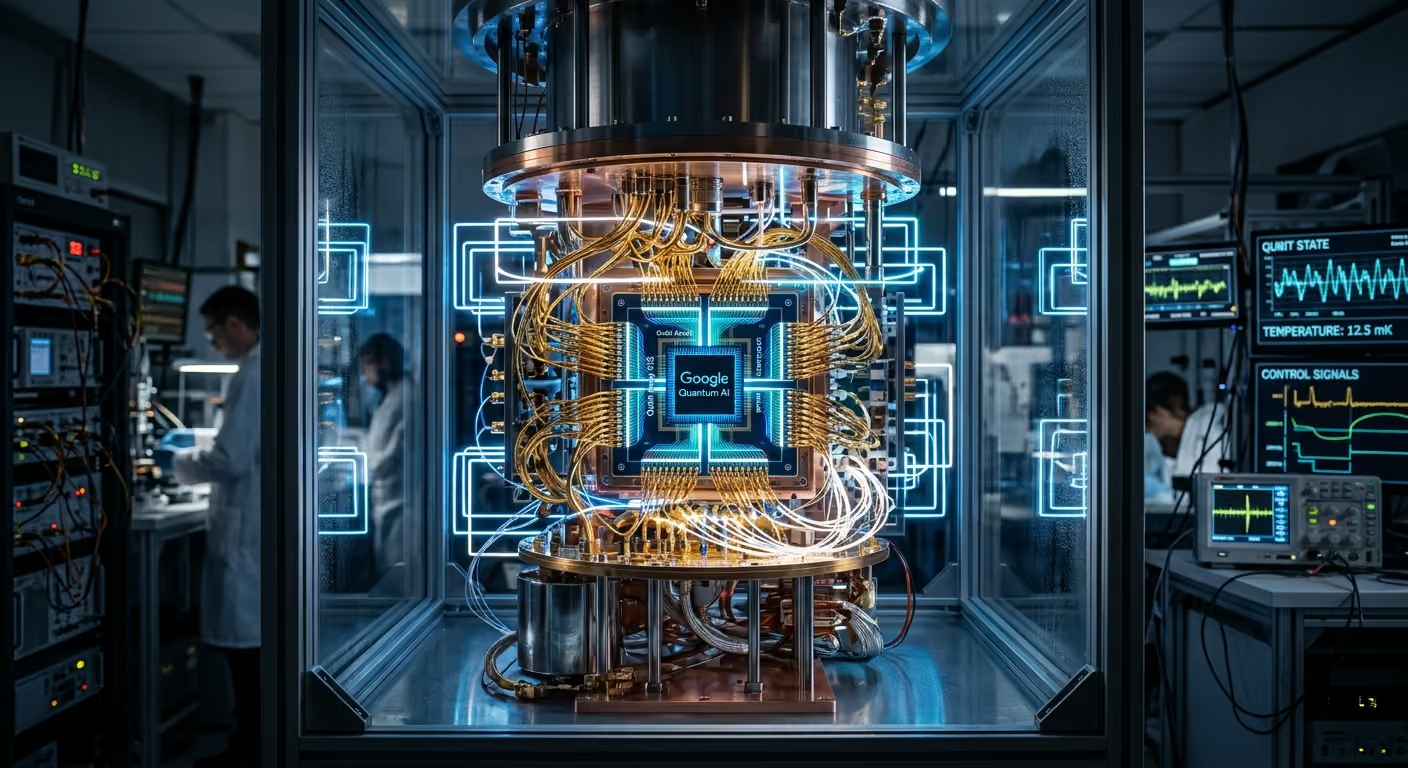
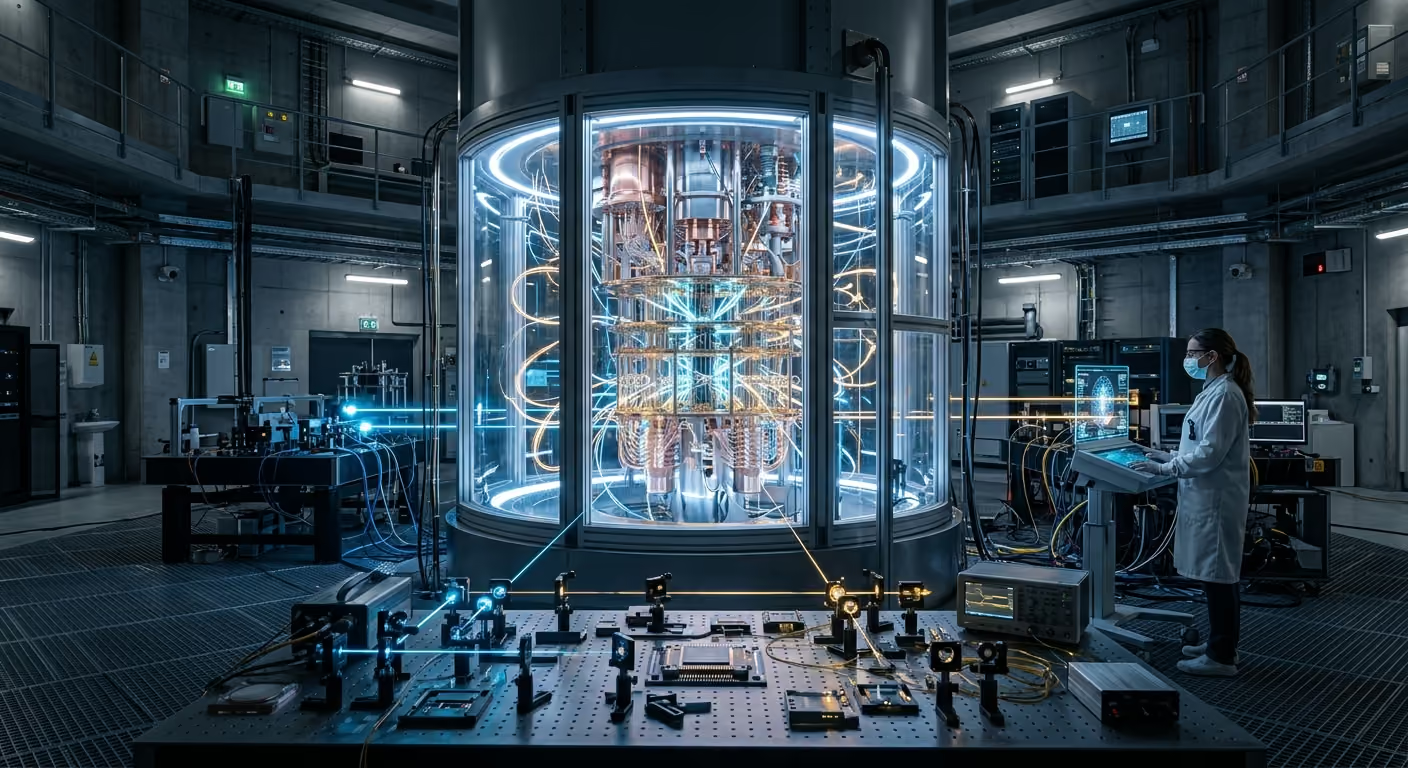
To overcome the notorious cabling bottleneck inside cryogenic dilution refrigerators, hardware researchers introduced a novel control-line sharing technique for large-scale qubit arrays. By multiplexing control signals across connected physical qubits, engineers can drive significantly more qubits using far fewer physical wires, solving a critical thermal and space limitation for scaling future quantum processors past 1,000 physical qubits.
The Bottom Line
- M&A Acceleration: Intel's $2.3B acquisition of Classiq proves that software automation and circuit synthesis are becoming prime assets in tech hardware portfolios.
- Algorithmic Efficiency: Phasecraft's 73% compilation reduction shows how AI optimization can unlock utility from current quantum devices today.
- Global Expansion: Quandela's installation in Vietnam highlights the rapid globalization of quantum infrastructure beyond traditional North American and European hubs.
- Quantum Computing Fun Fact: Multiplexing control lines in cryogenic quantum fridges drastically reduces thermal conduction, solving a fundamental heat barrier that previously restricted scaling to a few hundred physical qubits.
Stay Connected for Weekly Quantum Intelligence
Follow us to get the latest breaking quantum computing reports and technical analysis delivered weekly.
Aibots Sdn Bhd | [Beyond Future]