NVIDIA and IBM Unveil 13,000x Error Correction Acceleration as AMD Invests in PsiQuantum

As of November 19, 2026, the global quantum computing sector is transitioning from experimental isolated testbeds to deeply integrated, hybrid quantum-classical supercomputing ecosystems. Following a month of aggressive software M&A and compilation breakthroughs, this week highlights a dramatic surge in hardware co-design, error correction acceleration, and multi-million dollar capital deployments.
NVIDIA, IBM, and Fermilab Unveil Quantum Co-Design Platform with 13,000x Error-Correction Speedup
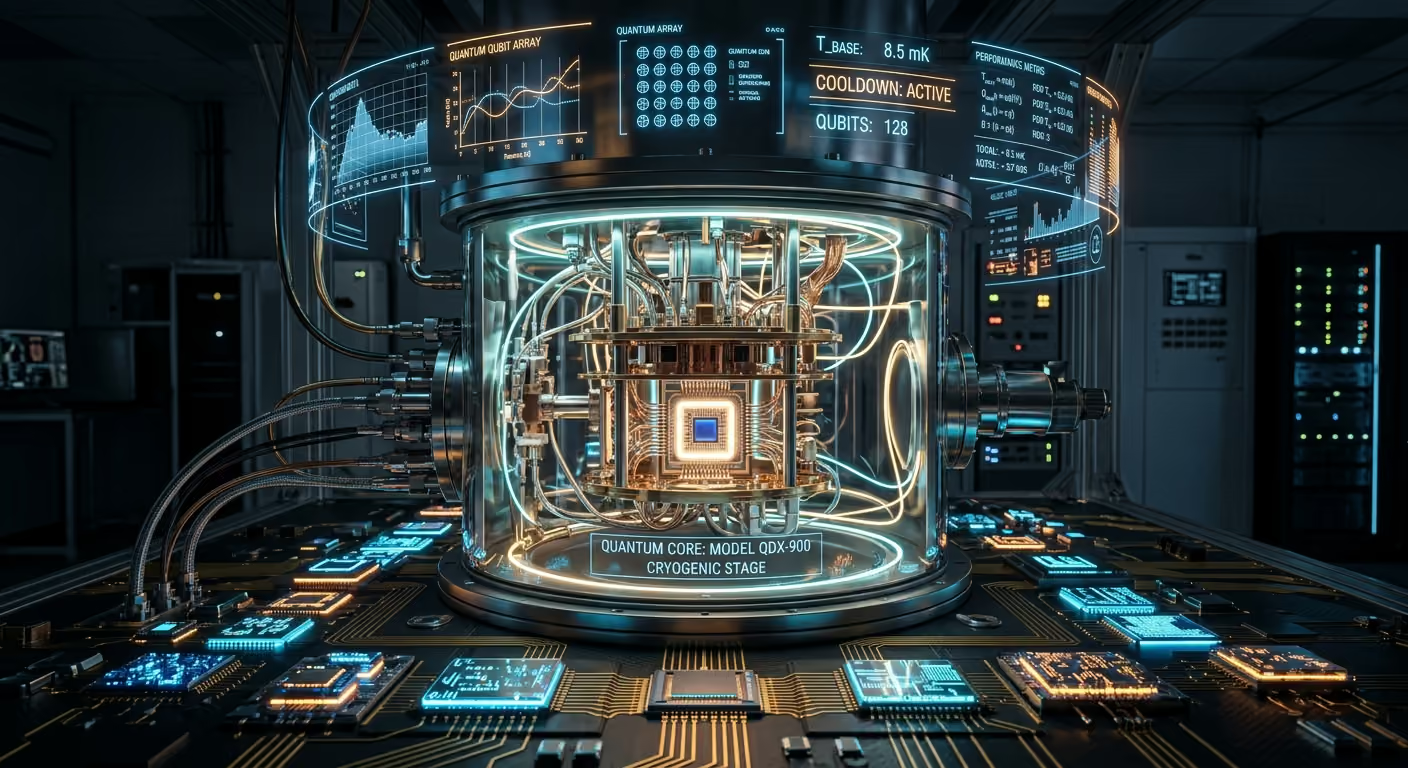
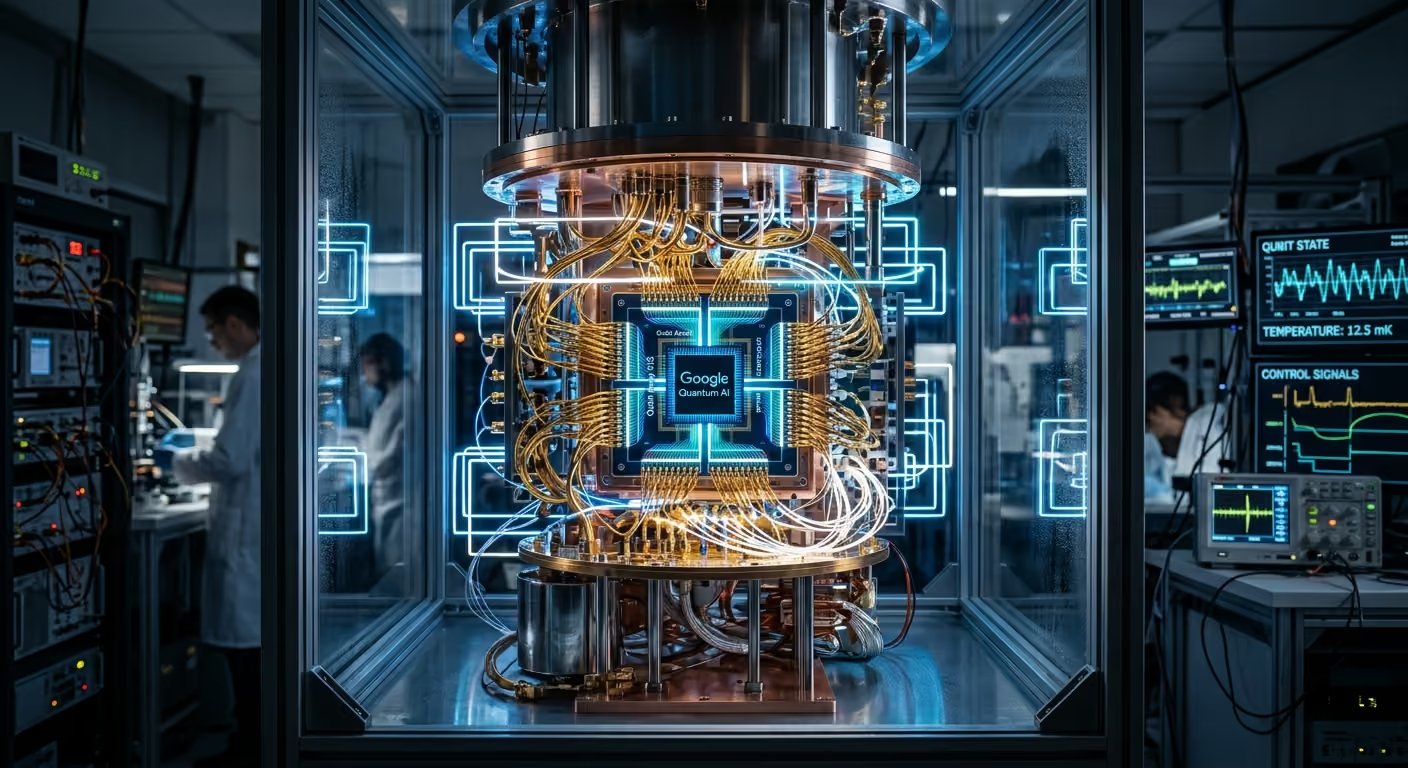
In a massive leap toward practical, fault-tolerant quantum supercomputing, NVIDIA, IBM, and the Fermi National Accelerator Laboratory (Fermilab) announced a joint co-design platform aimed at building modular quantum systems. The collaboration integrates NVIDIA cuQuantum and CUDA-Q with IBM quantum processors and Fermilab cryogenic infrastructure. A primary breakthrough from the initiative includes an error-correction decoding algorithm optimized on NVIDIA GPU clusters that achieves a remarkable 13,000-fold speedup in real-time error detection. This acceleration removes one of the most critical latency bottlenecks preventing real-time quantum error correction in large-scale processors.
AMD Strategic Investment Powers PsiQuantum's Photonic Infrastructure
Semiconductor giant AMD has announced a strategic investment in PsiQuantum to accelerate the deployment of fault-tolerant photonic quantum computers. The partnership aims to combine AMD high-performance adaptive computing and FPGA technologies with PsiQuantum photonic quantum systems. By pairing custom silicon chips with photonic fabric, the companies plan to streamline quantum-classical interface nodes and supply chain scale for fault-tolerant architectures containing hundreds of thousands of optical qubits.
Atom Computing Finalizes $100 Million U.S. Department of Commerce Award
Neutral-atom quantum leader Atom Computing has finalized a $100 million R&D funding award under the U.S. CHIPS and Science Act from the Department of Commerce. The award will fund advanced research and domestic manufacturing capacity for neutral-atom quantum processors. Atom Computing will use the capital to scale hardware reliability, boost physical qubit counts beyond current optical lattice arrays, and expand commercial testbeds for high-performance supercomputing centers.
Global Momentum: DLR Benchmarking and Rotonium Room-Temperature Prototype
In Europe, the German Aerospace Center (DLR) demonstrated a low-cost, benchmarked-noise error mitigation protocol evaluated across 100-qubit IBM and IQM processors, drastically lowering computational overhead for NISQ-era algorithms. Concurrently, European startup Rotonium launched a room-temperature quantum computing prototype, exploring alternative material substrates to reduce dependency on sub-kelvin dilution refrigerators.
The Bottom Line
- Error Correction Breakthrough: NVIDIA and IBM's 13,000x decoding speedup addresses the real-time processing bottleneck crucial for quantum fault tolerance.
- Semiconductor Integration: AMD's backing of PsiQuantum reinforces the growing convergence between classical chipmakers and optical quantum hardware.
- Public Capital Injection: Atom Computing's $100M federal award underlines sovereign commitment to scaling neutral-atom quantum architecture.
- Quantum Computing Fun Fact: Real-time quantum error correction requires classical decoders to process qubit syndrome measurement data in under a microsecond, making ultra-fast GPU decoders essential to prevent qubit decoherence.
Stay Connected for Weekly Quantum Intelligence
Follow us to get the latest breaking quantum computing reports and technical analysis delivered weekly.
Aibots Sdn Bhd | [Beyond Future]